
2026 Best Auto Ball Joint Buying Guide for Global Buyers?
The auto industry is changing so rapidly these days that making the right choice—like picking a good Auto Ball Joint—has never been more important. I mean, according to a recent report from Market Research Future, the global auto parts market is expected to hit a whopping $1 trillion by 2026. That just shows how much people are demanding high-quality automotive components, including those auto ball joints. Dr. Helen Carter, an industry expert, even pointed out, “The durability and performance of the Auto Ball Joint can really make or break your vehicle’s safety and handling.” So yeah, this stuff really matters.
When you're trying to pick the best Auto Ball Joint, there’s a lot to think about—materials, build standards, the reputation of the manufacturer, you name it. I read somewhere that if you take good care of your auto parts, you can actually extend your car’s lifespan by up to 30%. Surprisingly enough, a lot of folks just skip over this and go for cheap, low-quality options. But honestly, that’s a gamble—sometimes it can lead to safety issues and, trust me, it’s gonna cost you more in the long run.
As more brands enter the scene, it can feel pretty overwhelming trying to figure out which Auto Ball Joint is actually reliable. The key here is to keep learning and do your homework. Good quality parts will boost your vehicle’s performance and help keep you safe on the road. Taking a bit of time to understand these components now can really save you headaches (and money) down the line. Trust me, it’s worth it!
Understanding Auto Ball Joints: A Comprehensive Overview
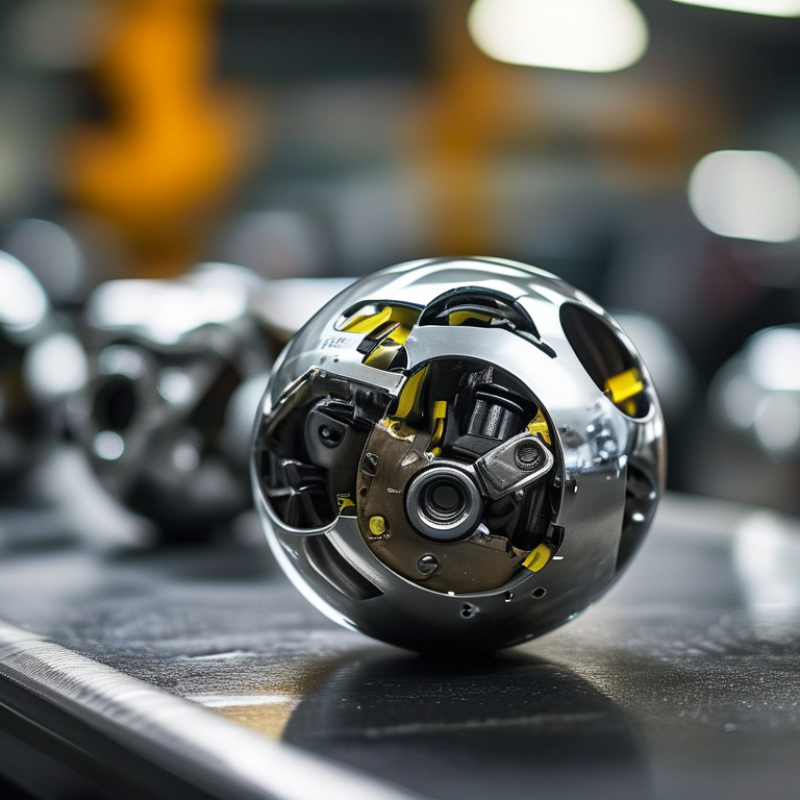
Auto ball joints play a crucial role in vehicle suspension systems. They connect control arms to the steering knuckles. This connection allows the wheels to pivot during steering and absorbs shocks from the road. According to industry reports, approximately 70% of suspension failures are related to ball joint issues. Regular maintenance can prevent premature wear.
Understanding the anatomy of a ball joint is vital. It consists of a bearing stud and socket. This design allows for multi-directional movement. Over time, the protective grease can deplete, leading to increased friction. Studies show that lack of lubrication results in a 30% decrease in lifespan. Drivers often overlook this component until issues arise, leading to costly repairs.
Signs of wear include noise during turning and uneven tire wear. Even with proper care, environmental factors and driving conditions affect durability. Regular inspections are essential to address damage early. Recognizing these details can enhance vehicle performance. Awareness of ball joint function ensures informed maintenance decisions.
Types of Auto Ball Joints: A Comparative Analysis
When selecting auto ball joints, understanding the types available is essential. Ball joints are crucial for vehicle suspension systems. They serve as pivot points between the wheels and the suspension, enabling smooth movement. There are typically two types of ball joints: the upper and lower ball joints. Upper joints generally handle load and steering while the lower joints assist stability.
A comparative analysis shows differences in durability and performance. According to a recent industry report, lower ball joints are more susceptible to wear, with a lifespan averaging 70,000 miles. In contrast, upper ball joints, due to their position, might last up to 100,000 miles under ideal conditions. Environmental factors also play a vital role. Extreme temperatures can affect the materials used in ball joints. Regular inspections and maintenance can help extend their lifespan.
Many consumers overlook the importance of quality when purchasing. Some choose based solely on price, which can lead to premature failure. Studies indicate that cheap components can double the failure rate compared to those built with higher-quality materials. It is critical to weigh short-term savings against potential long-term costs.
Key Factors to Consider When Buying Auto Ball Joints
When buying auto ball joints, several key factors come into play. The first factor is compatibility. Each vehicle has specific requirements based on its make and model. A report from the Automotive Parts Association indicates that incorrect fit is a leading cause of early failure. Always check the specifications before making a purchase.
Quality is another critical aspect. Cheaper options may seem appealing, but they often lack durability. Data shows that high-quality ball joints can last up to 100,000 miles, while inferior parts may fail after only 30,000 miles. This variance can significantly impact overall vehicle performance and safety.
The materials used in construction also matter greatly. Many reputable reports highlight that ball joints made from high-strength steel or reinforced polymers provide better longevity. Remember, investing in reliable Auto Parts often leads to fewer replacements and overall cost savings. A focus on quality over price is essential for long-term vehicle health.
Top Brands and Manufacturers in the Auto Ball Joint Market
When exploring the auto ball joint market, understanding the leading brands is crucial. Many manufacturers focus on quality materials, durability, and fit. This ensures that vehicles perform optimally and maintain safety standards. Professional mechanics often recommend brands that have a long track record in producing reliable auto components.
However, consumers should approach buying decisions with care. Not every well-known brand guarantees the best product. Some might offer innovative designs but fail in real-world testing. The importance of researching the manufacturing process cannot be overlooked. Reading customer reviews and expert analyses can lead to better choices.
Auto Tie Rod Ends often receive mixed feedback. Many users appreciate their performance, yet others cite issues with wear over time. Exploring these perspectives can help buyers make informed decisions. Choosing the right components means balancing cost with quality. Your vehicle's safety depends on these essential parts, so investing time in research is necessary.
Installation Tips for Auto Ball Joints: What You Need to Know
When it comes to replacing A Ball Joint, proper installation is crucial. A poorly installed ball joint can lead to serious handling issues. First, ensure you have the right tools. A ball joint separator, a torque wrench, and an impact gun can make the process smoother. Always follow the vehicle manufacturer’s specifications for torque settings. This guarantees that the joint will not loosen or fail during use.
Before you begin, inspect the old ball joint for wear. Look for any signs of grease leakage or damage. This will help you understand how long the new ball joint might last. Make sure you clean the area before installation. Removing old grease and debris helps achieve a better fit.
After installing A Ball Joint, test the suspension system. Take the vehicle for a short drive to check for any unusual noises. You might notice some rattling if it’s not installed correctly. Pay attention to any changes in steering response. Incorrect installation may lead to alignment issues. This can cause uneven tire wear and might require a professional assessment later. Always reflect on your work to ensure safety and reliability.
Common Signs of Worn Out Ball Joints and Maintenance Tips
Worn-out ball joints can lead to significant issues in your vehicle. Common signs include uneven tire wear, creaking noises while turning, and a loose steering feel. If you notice any of these symptoms, it’s time to investigate. Ignoring them could result in poor handling and dangerous driving conditions.
Regular maintenance can help extend the life of your ball joints. First, have your vehicle’s alignment checked periodically. Misalignment can accelerate wear on the Ball And Joint components. Additionally, lubricating the joints with a high-quality grease can prevent dirt buildup and reduce friction. Pay attention to the sound and feel of your vehicle; these can give you important clues about the condition of your ball joints.
When assessing your ball joints, look for visible wear or damage. Cracks, rust, and signs of leaking grease are red flags. If you're not experienced with automotive repairs, consider consulting a professional. It's essential to be proactive rather than reactive when it comes to ball and joint maintenance. Ignoring issues can lead to more serious problems down the road.
2026 Best Auto Ball Joint Buying Guide for Global Buyers
| Dimension | Description | Signs of Wear | Maintenance Tips |
|---|---|---|---|
| Size | Typically measured in inches or mm, depending on the vehicle model. | Clunking noise when driving over bumps. | Regular inspection every 30,000 miles. |
| Load Capacity | Ability to support the weight of the vehicle's suspension. | Uneven tire wear. | Lubricate joints as per manufacturer's recommendations. |
| Material | Common materials include steel and high-grade composites. | Steering wheel vibration or play. | Replace worn-out joints immediately. |
| Grease Fitting | Availability for re-lubrication of the ball joint. | Poor steering response. | Check grease fittings for blockages during maintenance. |
Cost Considerations: Budgeting for Quality Auto Ball Joints
When budgeting for auto ball joints, quality is crucial. Research indicates that high-quality ball joints can last significantly longer than cheap alternatives. Industry reports show that quality ball joints can reduce vehicle maintenance costs by up to 30%. However, initial costs often discourage buyers. It’s essential to evaluate the long-term savings against upfront expenses.
In the realm of auto parts, prices can vary greatly. A basic ball joint might cost as little as $15, while premium options can exceed $100. Investing in superior products often yields better performance and safety. Ignoring these factors can lead to further expenses. Factors such as vehicle type and driving conditions should also be considered. Data reveals that specific vehicles experience higher wear on components, necessitating a more substantial investment in high-quality parts.
Purchasing low-cost ball joints can seem tempting. However, this choice might result in frequent replacements and potential safety hazards. Many consumers overlook the importance of reliable parts. Evaluating the cost of frequent repairs against the price of durable components can offer clearer insights. Shifting focus from immediate savings to long-term value is essential for budget-conscious buyers.
FAQS
: There are two main types: upper ball joints and lower ball joints. They support movement in vehicle suspension.
Conclusion
In the "2026 Best Auto Ball Joint Buying Guide for Global Buyers," readers will gain a comprehensive understanding of auto ball joints, including their essential roles in vehicle suspension systems. The article outlines various types of auto ball joints, providing a comparative analysis to help buyers make informed decisions. Key factors such as durability, materials, and compatibility are highlighted to ensure that potential buyers choose the right ball joint for their vehicles.
Additionally, the guide offers practical installation tips and highlights common signs of worn-out ball joints, emphasizing the importance of regular maintenance. Cost considerations are also discussed, helping readers budget effectively for quality auto ball joints without compromising on safety and performance. Overall, this guide serves as an invaluable resource for anyone looking to navigate the complexities of the auto ball joint market.