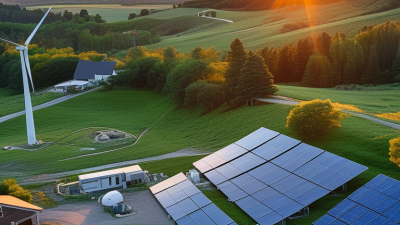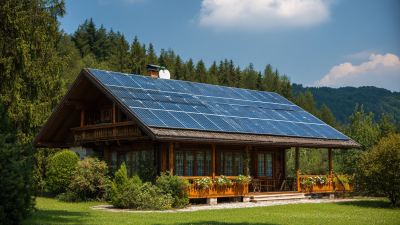
Home power generation is moving from a niche upgrade to a practical household decision. Solar panels, battery storage, micro wind systems, and backup generators now compete for limited roof space, budget, and installation time. The right system depends on local sunlight, grid reliability, household demand, and maintenance access.
The International Energy Agency’s Renewables 2024 report expects global renewable capacity to expand by almost 5,500 gigawatts between 2024 and 2030. Solar photovoltaic systems are expected to provide nearly 80% of that growth. IRENA also reported that 91% of utility-scale renewable projects commissioned in 2023 produced electricity more cheaply than new fossil-fuel alternatives. These figures support stronger consumer interest, but household results can differ sharply. A shaded roof still produces disappointing output.
Fatih Birol, Executive Director of the IEA, has said, “Solar PV and wind are the cheapest sources of new electricity generation in most markets today.” That statement is important, but it is not a complete buying guide. Installation quality, battery replacement, extreme weather, and local regulations can change the final cost. This 2026 guide compares leading home power generation systems for global buyers, using measurable performance, safety considerations, lifecycle costs, and real operating conditions. Some recommendations may remain imperfect. Energy markets change quickly. A careful buyer should verify prices, warranties, incentives, and installer credentials before signing a contract.
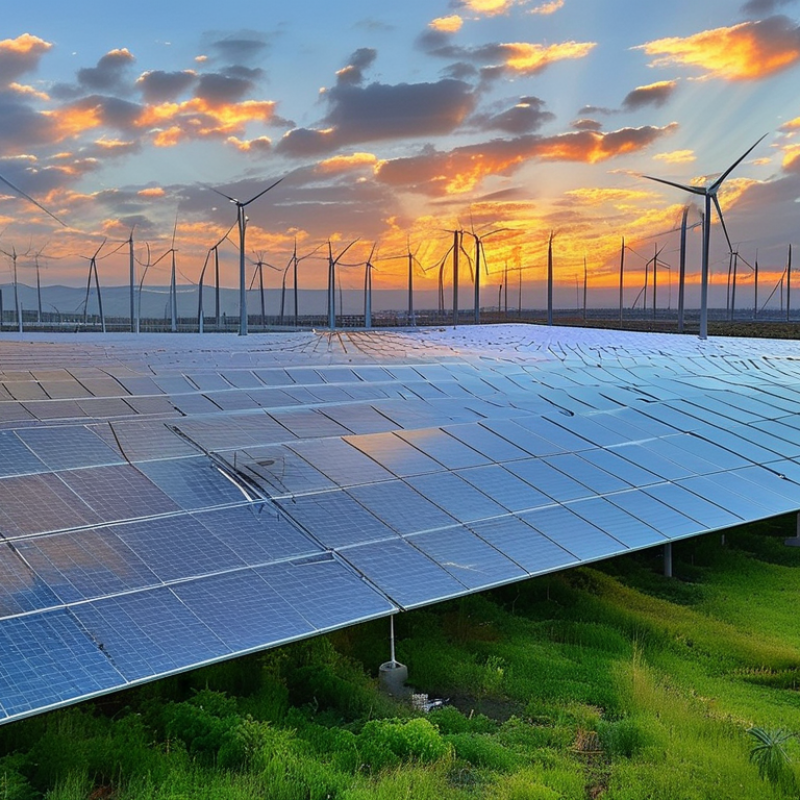
For global buyers, home power generation systems usually fall into four types: solar photovoltaic systems, battery-backed hybrid systems, standby generators, and small wind or micro-hydropower units.
Solar photovoltaic systems produce electricity quietly during daylight. Adding batteries can support evening loads, outages, and remote homes. The battery should match essential demand, not every appliance. A refrigerator, water pump, and internet router need different planning from electric heating. Hybrid systems can combine solar, batteries, and a backup generator. They offer resilience, but installation becomes more complex.
The IEA noted that battery storage deployment expanded rapidly in 2023, driven by grid flexibility and renewable integration.
Standby generators remain useful where outages are frequent or sunlight is unreliable. They require safe ventilation, regular maintenance, and compliant fuel storage. Small wind systems need consistent wind, not occasional strong gusts. Micro-hydropower can perform exceptionally well near a dependable flowing stream.
Compare total ownership cost, local service access, electrical standards, noise limits, and warranty conditions before choosing a system.
For global buyers, comparing home power generation systems starts with usable capacity, not the headline number. A 10 kWh battery may deliver less after reserve limits, temperature losses, and conversion inefficiency. Estimate daily loads from real measurements: refrigeration, pumps, heating, and evening lighting often create different demand patterns. Then check continuous output and surge output. A system may store enough energy but fail when a motor starts.
Efficiency deserves careful attention. Ask for round-trip efficiency under realistic operating conditions, not only laboratory results. Solar yield changes with roof angle, shading, dust, weather, and seasonal daylight. Generator efficiency also varies with load. Running a large unit at low demand can waste fuel and increase maintenance needs. Professional installers should explain test methods, electrical protections, local certification, and expected service intervals. Documentation matters.
Tips: Compare usable capacity, not nominal capacity. Request performance data at your local temperature range. Check whether storage can expand later. Leave room for uncertainty. A spreadsheet can still mislead. Emergency loads should be separated from optional appliances, such as water heating or workshop tools. In practical assessments, buyers often oversize generation and undersize storage controls. That mistake increases cost without improving resilience. Review warranty conditions, replacement access, and recycling rules before purchase. Each home behaves differently, so a site survey is more reliable than a universal recommendation.
Comparison of representative residential system capacity, conversion efficiency, and practical battery storage size. Actual performance varies by location, climate, installation quality, and local regulations.
Reference values: residential solar photovoltaic modules commonly deliver about 18–23% module efficiency; small wind systems typically convert approximately 30–40% of available wind energy into electricity; micro-hydropower systems can achieve approximately 60–80% overall efficiency. A 10 kWh battery is used as a representative daily storage size for comparison.
Choosing a home power system in 2026 requires more than comparing wattage. Regional conditions decide whether solar, wind, storage, or a hybrid design performs well. In high-sun areas, roof direction and afternoon shading may matter more than panel size. In cloudy northern regions, battery capacity and grid access deserve closer attention. Wind systems need open land, steady airflow, and careful noise planning.
Weather matters. Coastal buyers should check salt corrosion protection and strong-wind ratings. Homes in cold climates need batteries with suitable temperature controls and insulated installation spaces. In hot regions, ventilation can protect battery performance. A practical assessment should examine daily consumption, seasonal demand, water-pump loads, and backup needs. A household using electric heating needs a very different system from a small apartment.
Local rules also shape the purchase. Buyers should verify grid-connection procedures, electrical certifications, fire-safety requirements, and permitted installation locations. Qualified local technicians can confirm cable sizing, grounding, and maintenance access. Ask for evidence. Request production estimates based on local weather data, not perfect laboratory conditions. I have seen attractive forecasts fail when trees grew, dust accumulated, or batteries were oversized. A smaller, serviceable system may deliver better value than a complex design with unavailable spare parts. Regional support, transparent warranties, and realistic repair timelines often matter as much as efficiency ratings.
Installation quality often determines whether a home power system performs well for years. Before purchasing, check local electrical codes, permit rules, and grid connection requirements. A qualified electrician should calculate household loads, cable sizes, grounding, and battery placement. Outdoor equipment needs protection from flooding, dust, heat, and direct rain. Clear labeling matters during emergencies.
Grid compatibility requires more than matching voltage. The inverter must support the local voltage, frequency, phase configuration, and approved anti-islanding protection. A transfer switch should prevent unsafe back-feeding during outages. Some utilities require inspection, export limits, or a formal interconnection agreement. These details vary widely between countries. Never assume a system works everywhere.
Maintenance is practical, not glamorous. Inspect terminals for corrosion, clean ventilation openings, and review battery temperatures monthly. Keep an outage log. It can reveal weak capacity or delayed switching. Safety comes first. Do not open energized equipment without proper training. A perfect installation is rare, and I have seen small cable problems become expensive failures. Regular professional checks remain worthwhile, even when the system appears normal.
Tips: Leave service space around every component. Store manuals near the main panel. Test backup operation under supervision. Ask the installer how shutdown works. Check warning labels after renovations. If performance drops suddenly, stop experimenting and request a qualified inspection.
2026 Best Home Power Generation Systems for Global Buyers
Home power systems now combine rooftop solar, battery storage, micro wind, and efficient backup generators. For many households, solar with storage offers the clearest path to lower electricity bills. A 6 kW solar array may cover daytime demand, while a 10 kWh battery can support lighting, refrigeration, and internet service overnight. Actual savings depend on sunlight, tariffs, roof direction, and local installation costs. Equipment, permits, labor, wiring, and inspections can change the final price sharply. Cheap equipment is not always economical. Replacement costs matter too.
Government incentives can include tax reductions, rebates, low-interest loans, or payments for exported electricity. These programs often change annually. Confirm eligibility with an official energy department before signing a contract. Ask for written estimates, performance assumptions, safety certifications, warranty terms, and maintenance schedules. A qualified installer should check the roof, electrical panel, local grid rules, and emergency shutdown requirements. One overlooked detail can weaken an otherwise excellent system.
Tips: Compare at least three local quotes. Request a year-by-year cost forecast. Size the battery around essential loads, not every appliance. Leave space for future electric vehicles or heat pumps. Smart inverters and flexible tariffs may improve returns by 2026, but their benefits remain location-specific. New technology sounds impressive. Careful measurement still matters more. Recheck incentives and electricity prices before making a long-term decision.
| System Type | Typical Residential Size | Indicative Installed Cost | Typical Annual Output or Fuel Use | Best Use Case | Key Advantages | Main Limitations | Common Incentives or Policy Support | 2026–2030 Trend |
|---|---|---|---|---|---|---|---|---|
| Rooftop Solar Photovoltaic | 3–10 kW | $6,000–$25,000 | Approximately 3,600–15,000 kWh per year, depending mainly on solar resource and system orientation | Homes with suitable roof area and strong daytime electricity demand | Low operating cost Scalable Low maintenance No fuel required | Intermittent generation; roof shading, structural limits, grid rules, and export limits can affect economics | May qualify for tax credits, rebates, accelerated depreciation, net billing, feed-in tariffs, or low-interest loans, depending on jurisdiction | Higher-efficiency modules, better forecasting, more flexible export tariffs, and increased pairing with batteries |
| Solar PV with Battery Storage | 4–12 kW solar plus 5–30 kWh battery | $14,000–$45,000 | Solar output similar to PV alone; battery commonly provides 4–12 hours of household backup, depending on load | Homes seeking backup power, greater self-consumption, or protection from time-of-use prices | Backup capability Higher self-use Peak-price management | Higher upfront cost; battery degradation, thermal management, and replacement planning are important | Battery rebates, clean-energy tax credits, demand-response payments, and time-of-use programs may be available | Longer-duration storage, safer battery chemistries, smarter energy management, and bidirectional charging integration |
| Solar Water Heating | 2–6 m² collector area; 150–300 L storage tank | $2,500–$8,000 | Can provide roughly 50–80% of annual domestic hot-water energy in suitable climates | Homes with high hot-water demand and adequate solar exposure | Efficient heat production Reduces water-heating load Mature technology | Does not generate electricity; freezing, overheating, roof access, and plumbing maintenance require attention | Solar-thermal rebates, renewable-heat grants, building incentives, and low-interest efficiency loans may apply | Hybrid systems combining solar thermal, heat pumps, smart controls, and thermal storage |
| Small Wind Turbine | 1–20 kW; typically installed on a suitable tower | $8,000–$75,000 | About 1,500–40,000 kWh per year at a genuinely windy site; output is highly site-dependent | Rural or coastal properties with measured, unobstructed wind resources | Day-and-night potential Seasonal complement to solar Useful off-grid option | Noise, permitting, visual impact, turbulence, maintenance, and poor economics at low-wind sites | Renewable-energy grants, rural development support, investment tax benefits, and net-metering programs may be available | Improved small-scale controls, hybrid solar-wind systems, and better site assessment using digital wind modeling |
| Microhydropower | 0.5–100 kW | $10,000–$100,000+ | Potentially continuous output; annual energy depends on water flow, hydraulic head, and seasonal conditions | Properties with reliable year-round flowing water and legal access to the resource | Very high capacity factor Stable generation Long service life | Site-specific civil works, environmental approvals, water rights, flooding risk, and difficult installation | Small-hydropower grants, rural electrification programs, environmental finance, and concessional loans may apply | Low-impact run-of-river designs, modular turbines, remote monitoring, and improved ecological safeguards |
| Air-Source Heat Pump with Solar Electricity | 5–16 kW thermal capacity | $8,000–$25,000, excluding major electrical upgrades | Produces approximately 2.5–4.5 units of heat for each unit of electricity under suitable operating conditions | Replacing fossil-fuel heating in moderate and cold climates with adequate electrical capacity | High efficiency Heating and cooling Lower direct emissions | Performance declines in extreme cold; installation quality, building insulation, and electricity prices matter greatly | Heat-pump rebates, building-efficiency grants, carbon-reduction programs, and preferential electricity tariffs may be available | Low-temperature models, natural refrigerants, grid-interactive controls, and integration with thermal storage |
| Biomass Heating or Combined Heat and Power | 5–50 kW thermal; smaller electrical output where CHP is used | $10,000–$60,000 | Fuel demand varies with building heat load; pellet systems commonly require regular fuel deliveries and storage | Rural properties with sustainable biomass supply and substantial space-heating demand | Dispatchable heat Uses local fuel Suitable for cold climates | Fuel storage, ash handling, particulate emissions, maintenance, and sustainability of feedstock must be managed | Renewable-heat grants, clean-heating programs, rural energy support, and emissions-compliance incentives vary widely | Cleaner combustion, automated controls, certified sustainable fuels, and gradual competition from heat pumps |
| Residential Fuel Cell CHP | 0.7–5 kW electrical output | $20,000–$80,000+ | Can produce electricity and useful heat for much of the year when supplied with a continuous fuel source | Buildings with high, steady hot-water demand and reliable fuel infrastructure | Dispatchable power Quiet operation High total efficiency | High capital cost, fuel dependence, maintenance requirements, and emissions depend on fuel origin | Clean-energy demonstrations, CHP incentives, hydrogen pilots, and energy-efficiency programs may support adoption | Lower-cost electrochemical stacks, hydrogen blending, improved durability, and integration with microgrids |
| Portable or Standby Generator | 2–20 kW | $500–$15,000, excluding fuel and transfer equipment | Fuel consumption depends on load; typical gasoline or diesel units may use approximately 0.5–2.0 L per hour at moderate load | Short-duration emergency backup where low initial cost is the priority | Fast deployment High power output Works during grid outages | Fuel cost, noise, exhaust emissions, storage safety, maintenance, and limited runtime | Usually not eligible for renewable incentives; emergency-resilience grants or critical-facility programs may apply | Cleaner propane and renewable-fuel options, automatic controls, and hybrid generator-battery systems |
| Integrated Home Microgrid | 5–30 kW inverter capacity; 10–60 kWh storage | $25,000–$100,000+ | Can support critical household circuits for approximately 8–48 hours, depending on storage, solar production, and load management | Homes requiring resilience, electric-vehicle charging, load shifting, and coordinated energy control | High resilience Flexible control Supports electrification | Complex design, higher upfront cost, network and permitting requirements, and equipment interoperability concerns | Storage incentives, resilience grants, demand-response payments, electric-vehicle programs, and microgrid pilots may apply | AI-assisted energy management, virtual power plants, vehicle-to-home charging, and standardized interoperability |
3295 Cobb International Blvd.
Kennesaw, GA 30152
800-367-1377
sale@patiostools.com
© 2023 - Marsh Instruments