What are the Benefits of Aluminum Window Frames for Importers?
The Aluminum Window Frame market has seen significant growth in recent years. According to industry reports, demand for aluminum window frames is projected to increase by 7% annually. This rise is driven by the architectural preference for sleek designs and durability. Importers are likely to benefit from this trend.
Aluminum window frames offer numerous advantages. They are lightweight yet strong, making them ideal for various building applications. Their resistance to corrosion enhances longevity. Importers can also capitalize on energy efficiency trends. Windows with aluminum frames support better insulation, leading to reduced energy costs. However, some challenges exist, such as higher upfront costs compared to other materials.
Keeping up with market dynamics is crucial. Importers must understand local regulations on energy efficiency. Ensuring quality and compliance can foster trust and reliability. With the right approach, aluminum window frames will continue to be a compelling choice for modern construction and renovation.
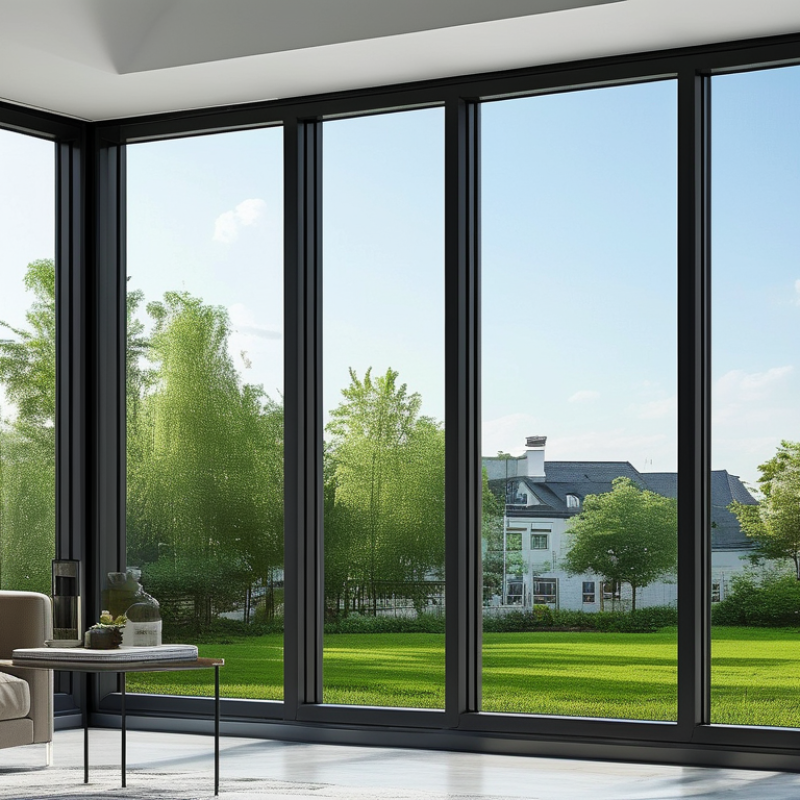
Advantages of Aluminum Window Frames for Importers
Aluminum window frames offer numerous advantages for importers looking to enhance their product offerings. These frames are lightweight yet durable, making them easy to transport and install. Importers can enjoy cost savings in logistics due to their lower shipping weights. Additionally, aluminum does not warp or crack, ensuring longevity and reduced maintenance for end-users. This durability translates into less frequent replacements, giving importers a buying advantage.
Another key benefit is energy efficiency. Aluminum frames can be designed with thermal breaks, preventing heat transfer. This feature can significantly reduce energy bills for homeowners and businesses alike, making them an attractive option. Importers tapping into this market can highlight these energy-saving aspects to attract environmentally-conscious customers. Moreover, aluminum is highly customizable. Various colors and finishes can be applied, allowing importers to offer unique, tailored solutions that appeal to diverse aesthetic preferences.
However, there is a need for reflection in this market. While aluminum frames are strong, they can be susceptible to corrosion in harsh environments without proper treatments. Importers should ensure they source high-quality materials to mitigate this risk. Building relationships with reliable manufacturers is essential. Offering aluminum windows comes with a responsibility to educate customers about proper maintenance and expected performance.
Cost-Effectiveness of Aluminum in Bulk Purchases
Aluminum window frames offer significant cost savings for importers, especially when purchased in bulk. The material is lightweight and strong, which reduces shipping costs. In addition, aluminum is resistant to corrosion and weathering, meaning it requires less maintenance. Importers benefit from lower long-term costs because aluminum frames can last for decades without needing replacement.
Bulk purchases often lead to better pricing structures. Suppliers may offer discounts for larger orders, which can enhance profit margins for importers. This financial advantage can be crucial for companies aiming to remain competitive. However, it's essential to consider the initial investment. Upfront costs for aluminum can be higher than other materials. Importers should analyze their budgets carefully.
Sourcing aluminum responsibly is another factor to reflect on. Understanding the environmental impact and sustainability of aluminum production is critical. Not all suppliers prioritize eco-friendly practices. Importers need to conduct due diligence. This ensures that they align with their values and meet customer expectations. Achieving cost-effectiveness should not come at the expense of social responsibility. Balancing these aspects can be challenging but rewarding in the long run.
Durability and Longevity of Aluminum Frames in Various Climates
Aluminum window frames are gaining attention for their durability and longevity, especially in various climates. According to the Aluminum Association, aluminum frames can last up to 50 years with proper maintenance. This longevity can significantly benefit importers, reducing replacement costs and enhancing customer satisfaction.
In coastal areas, aluminum’s resistance to corrosion is vital. Data from the American Architectural Manufacturers Association shows aluminum frames perform best in environments with high humidity and salt exposure. They are less prone to warping compared to wood or vinyl frames. Even in extreme temperatures, aluminum maintains structural integrity, outperforming materials that may expand or contract.
However, it is essential to consider energy efficiency. Uninsulated aluminum frames can lead to higher energy costs. Importers should prioritize models with thermal breaks to enhance insulation. By incorporating this technology, energy loss can be reduced by up to 30%, according to studies from the National Glass Association. This reflects a balanced approach to durability and performance in diverse environmental conditions.
Aesthetic Flexibility: Design Options with Aluminum Frames
Aluminum window frames offer remarkable design versatility, which is increasingly appealing to importers. According to the Aluminum Association, these frames can be fabricated in various shapes and finishes. Their lightweight nature allows for intricate designs that maintain structural integrity. Importers find this flexibility crucial when catering to diverse customer preferences.
The aesthetic options with aluminum are nearly limitless. Importers can choose from a wide range of colors and textures. This adaptability makes it easy to match various architectural styles. According to a study by the American Institute of Architects, about 70% of homeowners prefer window designs that complement their home’s style. Aluminum frames allow for sleek, modern lines as well as classic architectural features.
While aluminum frames are advantageous, some challenges exist. For instance, poorly finished aluminum can be prone to scratches or fading. It’s essential for importers to verify the quality of their suppliers. A recent industry report highlighted that 15% of aluminum window frames failed to meet quality standards. This reinforces the need for diligent sourcing and quality checks. Importers must balance aesthetic trends with durable materials to ensure long-term satisfaction for their customers.
Sustainability and Recycling Benefits of Aluminum Materials
Aluminum window frames stand out for their sustainability and recycling potential. Aluminum is a highly recyclable material. It can be recycled repeatedly without losing quality. This feature makes it an ideal choice for environmentally conscious consumers and importers. Unlike other materials, aluminum frames can have a lower carbon footprint when sourced responsibly.
When you import aluminum products, consider their lifecycle. The production of aluminum is energy-intensive, but recycling requires only a fraction of that energy. This means reduced greenhouse emissions and less waste. Some industries are now focusing on using post-consumer recycled aluminum, tapping into existing resources instead of extracting new ones.
Tips: Always check certifications that indicate sustainable practices. Look for suppliers who prioritize recycled materials. Also, staying informed about local recycling regulations can enhance your sourcing strategy. Embracing these practices not only reflects good ethics but may also resonate well with eco-conscious customers.
Benefits of Aluminum Window Frames for Importers