
Best Bellows Valves Manufacturers in 2026
Choosing among Bellows Valves Manufacturers in 2026 takes more than comparing product pages or quoted prices. A valve may look suitable on paper, yet fail to match the process conditions it will face. Pressure, temperature, fluid compatibility, connection type, and operating frequency all matter. So does the bellows material.
A metal bellows helps isolate the process fluid from the stem area, reducing the risk of external leakage. But construction details vary. Weld quality, cycle life, body material, and inspection records can shape long-term performance. Not every product sheet makes these details easy to compare. That deserves a closer look.
This guide introduces manufacturers and the factors that help buyers assess them. It considers product range, documented quality controls, technical support, and the clarity of published specifications. Where available, readers should review test reports and confirm that stated operating limits fit their own system. A certification or a polished catalogue is useful, but neither tells the whole story.
Ask practical questions. How is the bellows tested? Are material records available? Can the supplier explain maintenance needs and expected service conditions? These answers reveal more than a broad performance claim. Small differences matter.
No manufacturer is right for every application, and rankings can only offer a starting point. Use this overview to build a shortlist, then verify each candidate’s claims against project requirements. A little uncertainty remains until the details are checked.
Understanding Bellows Valves and Their Core Functions
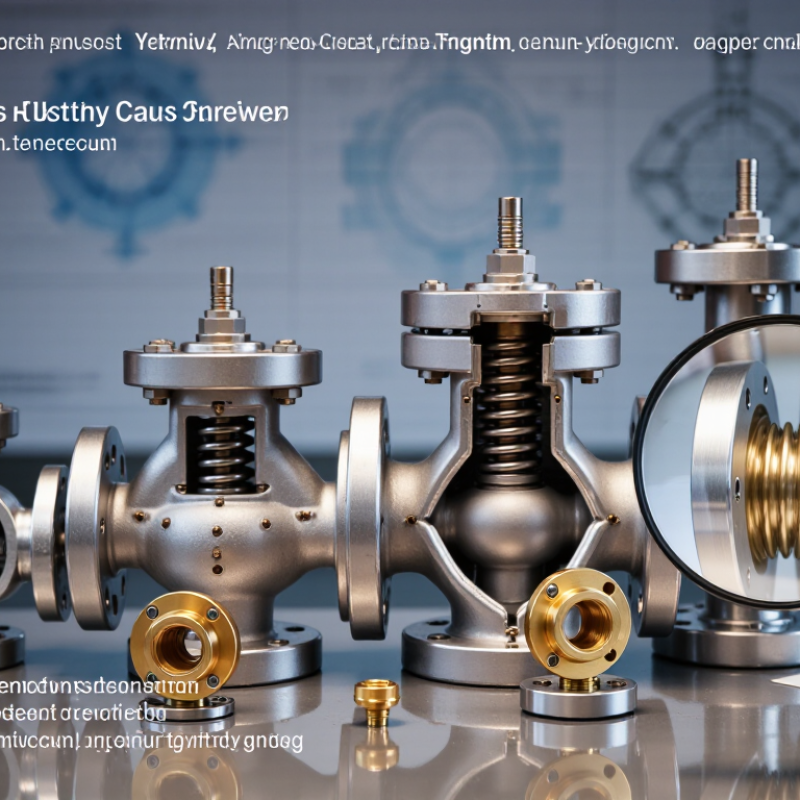
A bellows valve uses a flexible metal bellows welded between the stem and body to block a leakage path around the moving stem. As the handwheel turns, the bellows compresses or extends while the plug opens or closes the flow. This design is useful where escaping fluid, vapor, or gas must be tightly controlled. Look closely at the welds, stem alignment, and bonnet: a small installation strain can shorten bellows life. The design helps, but it is not magic.
For performance context, ISO 15848-1 sets fugitive-emission test methods for industrial valves and defines mechanical endurance classes from 500 to 20,000 cycles. These are controlled test benchmarks, not promises of service life in a plant. Actual durability depends on pressure, temperature, fluid, vibration, and how often the valve cycles. That distinction matters. A valve that passes a test may still need careful sizing and maintenance in real service.
Tips: Match the valve materials to the process fluid and temperature. Ask for documented leakage and cycle-test results, then compare them with your operating conditions. Check for visible corrosion or unusual stem resistance during inspections. One practical detail is easy to miss: frequent cycling can fatigue the bellows even when external leakage is absent.
Best Bellows Valves Manufacturers in 2026 - Understanding Bellows Valves and Their Core Functions
| Evaluation Dimension | Technical Information | Core Function | What to Verify |
|---|---|---|---|
| Bellows seal | A flexible metal component, commonly made with welded or formed convolutions, connects the valve stem area to the bonnet. | Creates a barrier between the process fluid and the external environment as the stem moves. | Bellows material, construction, pressure and temperature ratings, and suitability for the process fluid. |
| Bellows-sealed globe valve | Uses a linear-moving stem and a globe-style closure element; available trim and flow characteristics depend on the design. | Provides shutoff and, with suitable trim, flow regulation. | Confirm the intended duty, flow coefficient, end connections, and allowable operating conditions. |
| Bellows-sealed gate valve | Uses a gate that moves into or out of the flow path; many designs provide a relatively unobstructed passage when fully open. | Primarily provides on/off isolation rather than throttling. | Check the required shutoff performance, installation orientation, and whether the valve is intended for full-open or full-closed service. |
| Secondary stem seal | Some designs include conventional stem packing as a backup seal around the stem. | Can provide secondary containment if the bellows is damaged; it does not replace the bellows’ primary sealing function. | Ask whether backup packing is included and how the valve indicates or manages bellows failure. |
| Materials and compatibility | Valve bodies and bellows may use stainless steels, nickel alloys, or other specified metals, depending on design and service conditions. | Material selection helps address corrosion, temperature exposure, and mechanical loading. | Review the material list against the fluid composition, concentration, temperature, and any corrosion data available for the service. |
| Pressure and temperature ratings | Allowable operating limits depend on the complete valve design, materials, connection type, and applicable pressure-temperature rating. | Defines the conditions under which the valve is designed to operate. | Compare the published rating with the maximum and minimum operating conditions, including relevant transients. |
| Leak testing and documentation | Testing may include pressure tests and a specified bellows or external-leak test; test methods and acceptance criteria should be stated in the documentation. | Checks pressure containment and the effectiveness of specified sealing boundaries. | Request test records, applicable test procedures, acceptance limits, and material traceability when required. |
| Operating cycle and service life | Bellows fatigue life is affected by factors such as stroke, pressure, temperature, vibration, and operating frequency. | Helps determine suitability for the expected frequency and duration of valve operation. | Provide the expected operating cycle and duty profile; request design-life assumptions or relevant cycle-test information. |
Ratings, available configurations, and test requirements vary by valve design. Confirm all specifications against the manufacturer’s current technical documentation for the intended service.