7 Best Heavy Wall Seamless Pipe SCH80 Factories?
Choosing a reliable Heavy wall seamless pipe SCH80 factory requires more than comparing catalog prices. These pipes often serve demanding systems, including refineries, power plants, chemical facilities, and high-pressure water networks. Wall thickness, outside diameter, steel grade, heat treatment, and dimensional accuracy must match the project specification. Small differences can create serious installation problems.
This guide reviews seven leading factories by examining manufacturing experience, production capacity, inspection systems, and export reliability. The assessment considers seamless piercing lines, heat-treatment furnaces, ultrasonic testing, hydrostatic testing, and traceable material certificates. A dependable supplier should clearly explain its ASTM, ASME, API, or EN compliance. It should also provide practical evidence, such as mill test certificates, sample inspection reports, and photographs of finished pipes.
Real factory performance matters.
A polished website proves very little. Buyers should ask about actual SCH80 sizes, minimum order quantities, delivery schedules, coating options, and replacement procedures. Factory visits or independent inspections can reveal details that brochures hide, including uneven bevels, poor marking, or weak packaging. Communication quality also deserves attention. Delayed answers may signal future project risks.
No ranking remains perfect for every application. One factory may offer stronger alloy-steel expertise, while another provides faster carbon-steel production. Prices can change with raw-material markets, energy costs, and freight conditions. Therefore, this selection is a practical starting point rather than a final decision. Engineers and procurement teams should verify current certificates, production samples, and technical suitability before placing an order. That final check is easy to skip, but it often prevents expensive mistakes.
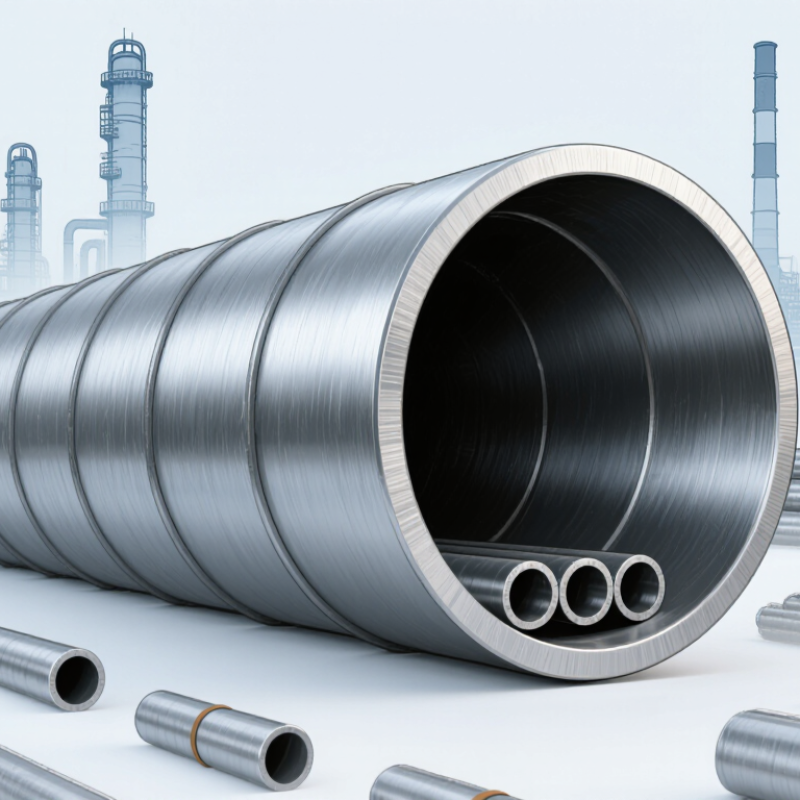
What Defines a Heavy-Wall Seamless SCH80 Pipe Factory?
A heavy-wall seamless SCH80 pipe factory is defined by process control, not a polished website. Its engineers must understand pressure design, steel grades, heat treatment, and dimensional tolerance. They should explain why SCH80 is suitable for a specific service, rather than simply calling it “heavy duty.”
Production starts with verified steel billets and controlled piercing. Rolling must maintain a consistent wall through the pipe length. Heat treatment requires recorded furnace temperatures and holding times. Heavy walls can hide internal defects. Careful inspection matters. The factory should use calibrated gauges, hydrostatic testing, ultrasonic inspection, hardness checks, and tensile testing. Each result needs a traceable record linked to the heat number. Applicable ASTM, ASME, or project requirements should be clearly identified.
A dependable factory also admits its limits. It should state available outside diameters, wall thicknesses, steel grades, production capacity, and realistic delivery times. That honesty matters. During an audit, look for clean storage, protected pipe ends, trained inspectors, and documented nonconformance procedures. Workers should know how to prevent ovality, scoring, and edge damage during handling. No factory is flawless. A missed measurement or delayed calibration can weaken confidence quickly. Strong factories review such failures openly and improve their procedures, instead of hiding them behind attractive certificates.
What Defines a Heavy-Wall Seamless SCH 80 Pipe Factory?
A capable factory must consistently meet specified dimensions and material requirements, with suitable inspection and traceability. SCH 80 wall thickness varies by pipe size, as shown below.
Nominal wall thickness values are in inches and follow ASME B36.10M dimensions for selected NPS sizes. Confirm applicable tolerances and specifications for each order.
How the Seven Candidate Factories Were Selected and Compared
The seven candidate factories were assessed against the same practical checks, not promotional claims. Each needed documented production capability for heavy-wall seamless pipe, clear material traceability, and inspection records linked to heat numbers. We also compared dimensional control against ASME B36.10M, since Schedule 80 wall thickness depends on nominal pipe size.
Schedule alone does not prove pressure suitability. That distinction matters.
The comparison gave weight to measurable evidence: sample mill test certificates, recorded wall-thickness readings, non-destructive testing procedures, and realistic lead times. OECD’s Steel Outlook 2024 projected global steelmaking capacity could rise 6.7% to 2.5 billion tonnes by 2026. More capacity does not automatically mean better pipe; it makes verification more important.
We also considered how clearly each factory explained inspection limits and rejected material. A polished catalogue is weak evidence. One limitation remains: published documents cannot show how consistently a production line performs across every batch. So the ranking favors verifiable controls, while treating claims without supporting records cautiously.
Factory Profiles: Products, Standards, Equipment, and Capabilities
A useful review of seven heavy-wall seamless pipe factories should compare verifiable capabilities, not just catalogue size. Look for facilities that produce SCH 80 pipe in the required outside diameters, wall thicknesses, and steel grades. SCH 80 describes a dimensional schedule; it does not identify the material grade. That distinction matters.
Check each factory’s stated standards against the purchase specification. Common references include ASME B36.10M for dimensions and applicable ASTM or API material standards. Confirm the exact grade, tolerances, heat-treatment requirements, and inspection documents before comparing quotations.
Ask what equipment supports production: piercing mills, rolling and sizing lines, heat-treatment furnaces, and ultrasonic or hydrostatic testing systems. Details matter.
A strong factory profile should explain process limits, not merely claim broad capacity. Ask for sample inspection records, traceability details, and a clear account of how defects are handled. A polished brochure is not proof. Factory visits or independent inspections can help verify equipment and quality controls, though neither guarantees every shipment will be trouble-free. One awkward detail often gets missed: availability may change with diameter, grade, and order volume. Compare like with like, and treat vague answers as a reason to ask more questions.
Quality Control, Testing, Certifications, and Delivery Performance
Choosing the seven best heavy wall seamless pipe SCH80 factories requires more than comparing prices. Experienced buyers inspect melting records, billet traceability, piercing control, heat treatment, and dimensional accuracy. Wall thickness should remain consistent, especially around pipe ends and weld-free surfaces. Small deviations can create serious installation problems.
Reliable factories use calibrated ultrasonic, hydrostatic, and eddy current testing. They record test pressure, holding time, equipment status, and operator details. Mechanical testing should verify tensile strength, yield strength, and elongation for each relevant heat. Certificates matter too. ISO 9001 supports process control, while EN 10204 3.1 inspection documents connect results with the delivered batch. Additional ASTM, ASME, or project-specific compliance may be required. Still, paperwork alone proves little. Audit the evidence.
Delivery performance reveals operational discipline. Strong suppliers confirm production slots, packing methods, marking, and loading dates in writing. Pipes should arrive capped, protected from moisture, and separated by size and heat number. A useful factory shares inspection reports before shipment, not after a complaint. However, even capable producers can face delays from furnace maintenance or port congestion. I would leave contingency time. That is not pessimism; it is practical risk control. One weakness remains easy to miss: some inspections are sampled too narrowly. Ask how many pipes were tested, who witnessed the tests, and what happened when results failed.
How to Choose the Best SCH80 Factory for Your Project
Choosing the best SCH80 factory starts with engineering control, not a glossy production video. SCH80 wall thickness changes with nominal pipe size, so verify every dimension against ASME B36.10M. Confirm the material grade, outside diameter, wall tolerance, heat number, and required end finish. For high-temperature service, compare the factory’s procedures with ASTM A106 requirements. Request recent mill certificates, hydrostatic test records, and ultrasonic inspection results.
Production scale can be misleading. The World Steel Association reported about 1.89 billion tonnes of crude steel production worldwide in 2023. That figure shows supply strength, not seamless pipe quality. A reliable factory should explain billet sourcing, piercing temperature, heat treatment, and straightening controls. Ask for traceability from billet to bundled pipe. Check whether inspection equipment is calibrated and whether independent testing is available.
Visit the plant if the project is critical. Look for clean storage, protected pipe ends, readable markings, and separate material zones. Ask how nonconforming pipes are isolated. This detail matters. Review lead times against actual monthly capacity, not promises made during bidding. I would also compare sample dimensions personally, because paperwork can be correct while handling damage remains unnoticed. One weakness is easy to miss: some factories provide excellent certificates but weak after-sales response. Test communication before placing the order. Get packaging details, replacement terms, and inspection access in writing.