China Best Liquid Filled Pressure Gauges Supplier?
Choosing the China best liquid filled pressure gauges supplier requires more than comparing prices or catalog photos. It demands practical evaluation, technical knowledge, and evidence of consistent manufacturing quality.
Liquid filled pressure gauges are designed for demanding environments. Silicone or glycerin filling helps reduce pointer vibration and protects internal components from moisture. This matters near pumps, compressors, hydraulic lines, and machines with frequent pressure changes. A reliable supplier should explain case materials, connection sizes, pressure ranges, accuracy classes, and filling options clearly.
Look for manufacturers with documented quality procedures and experienced production teams. Factory audits, sample testing, calibration records, and traceable materials can reveal more than polished marketing language. Ask how each gauge is tested before shipment. Check whether the supplier can provide customized dials, threaded connections, temperature compensation, and protective accessories.
Small details matter.
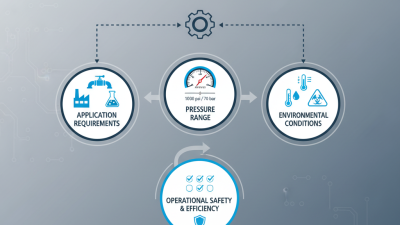
A strong supplier should also understand application risks. A gauge selected for clean water service may not suit corrosive chemicals or high-temperature steam. Stainless steel construction, compatible wetted parts, and proper pressure range selection can prevent premature failure. Independent inspection may be useful for large orders or critical equipment.
Still, no supplier is perfect. Product claims should be verified through samples, technical documents, and real operating feedback. Some specifications may look impressive but lack clear testing conditions. That is worth questioning.
This guide examines leading Chinese manufacturers through product quality, engineering support, customization ability, certifications, communication, delivery performance, and after-sales service. The goal is not to promote the cheapest option. It is to help buyers identify a dependable partner for accurate, durable, and application-ready pressure measurement.
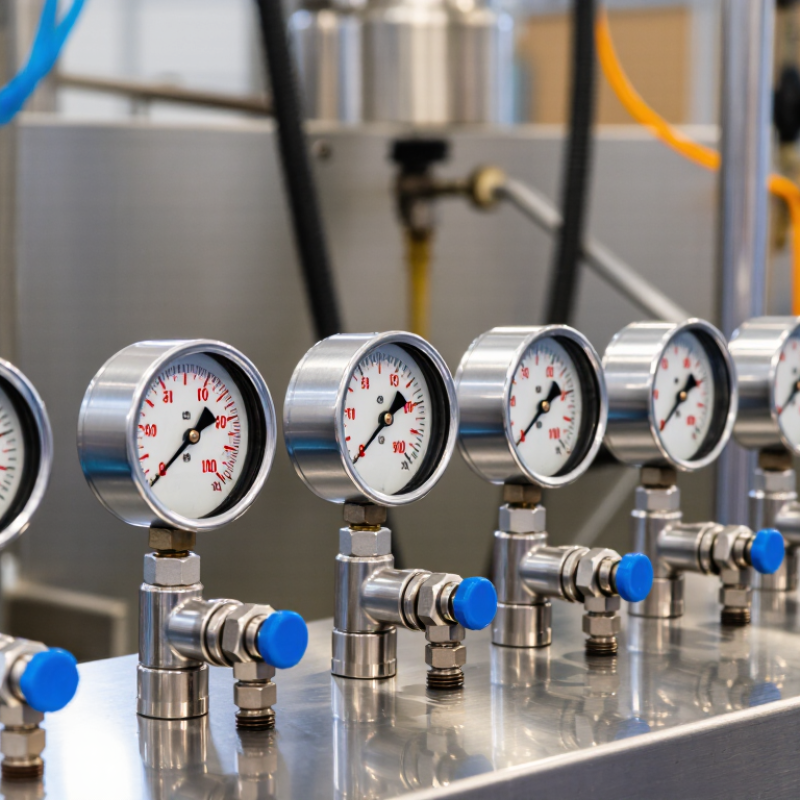
What Are Liquid Filled Pressure Gauges?
What Are Liquid Filled Pressure Gauges?
Liquid filled pressure gauges contain a viscous fluid, usually glycerin or silicone, inside their cases. The fluid surrounds the pointer mechanism and reduces vibration, pulsation, and condensation. This matters near pumps, compressors, and hydraulic lines. A dry gauge may shake visibly. A filled gauge often gives a steadier reading.
A practical example is a workshop air line beside a reciprocating compressor. The needle can jump dozens of times each minute. The filling fluid slows that movement, helping operators read pressure more accurately and extending mechanical life. According to MarketsandMarkets, the global pressure sensor market was valued at about USD 14.1 billion in 2023, with industrial automation and process equipment driving continued demand. Pressure gauges remain useful because they provide direct, local readings without electrical power.
Selection still requires care. The measuring range should normally place working pressure near the middle of the dial, not at its limit. Process temperature, media compatibility, connection size, and accuracy class also matter. ASME B40.100 identifies accuracy, construction, and testing requirements for pressure gauges. In field use, glycerin performs well for general service, while silicone is better for wider temperature exposure. I have seen installation errors cause more trouble than gauge failure. A blocked impulse line, poor sealing, or incorrect orientation can distort a perfectly sound reading. Regular comparison with a calibrated reference is still necessary.
How Do Liquid Filled Pressure Gauges Work?
Liquid Filled Pressure Gauges Supplier: How Do Liquid Filled Pressure Gauges Work?
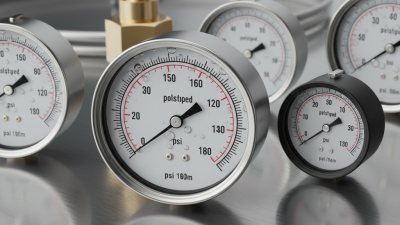
Liquid filled pressure gauges use a Bourdon tube, mechanical movement, and a transparent liquid inside the case. When process pressure enters the tube, it slightly straightens. This movement drives the pointer across the dial. The liquid, commonly glycerin or silicone oil, reduces vibration and pointer flutter. Readings become easier to observe near pumps, compressors, and other equipment with pressure pulses.
The filling liquid also protects internal parts from moisture and dust. This can improve service reliability in demanding environments. However, liquid filling does not correct poor installation or an unsuitable pressure range. Select a gauge with a readable scale, compatible wetted materials, and a pressure range that keeps normal readings near the middle. Field technicians often check zero position before commissioning. A small zero shift may reveal temperature effects, trapped pressure, or mechanical damage. It is easy to overlook.
Tips: Keep the gauge upright. Use a suitable snubber for severe pulsation. Do not overtighten the connection. Check compatibility with the process fluid and ambient temperature. Inspect the case for leaks. If the pointer sticks, investigate before replacing the instrument. A pressure gauge is simple, but not careless-proof.
Which Features Define a Reliable Gauge Supplier?
China Best Liquid Filled Pressure Gauges Supplier?
Which Features Define a Reliable Gauge Supplier?
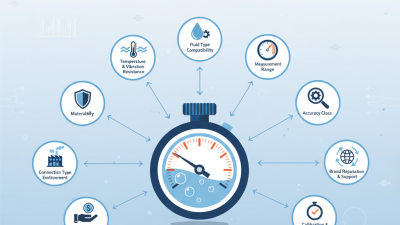
Finding a reliable liquid filled pressure gauge supplier in China requires more than comparing quotations. Gauge performance starts with construction. Ask about case material, lens strength, wetted parts, and fill fluid compatibility. Stainless steel cases resist harsh sites, while correct wetted materials protect process accuracy. Request accuracy data at several points, not only the best laboratory result. A supplier with field experience should explain vibration damping, temperature limits, and pressure ranges clearly. Vague answers are warning signs.
Quality evidence matters. Look for calibration records, inspection procedures, leak tests, and traceable reference instruments. Every production batch should be checked before shipment, especially when gauges serve pumps or compressors. Ask how zero drift, pointer sticking, and fill leakage are handled after delivery. Responsive technical support is part of reliability. A useful supplier reviews drawings, connection threads, dial markings, and installation conditions before confirming an order. Small omissions can become expensive replacements.
Price still matters, but the lowest quote may hide thinner cases or inconsistent calibration. Request a sample and inspect its readability under low light, pulsation, and wet conditions. Compare repeated readings against a trusted reference. That practical test often reveals details certificates cannot show. Even experienced buyers miss something. Suppliers should admit limitations, document corrective actions, and improve when field feedback exposes a weakness.
What Industries Use Liquid Filled Pressure Gauges?
Liquid filled pressure gauges serve demanding industries where vibration, pulsation, and moisture can weaken measurement accuracy. Their internal liquid dampens pointer movement, helping technicians read pressure on noisy machinery. Manufacturing plants often use them on pumps, compressors, hydraulic lines, and production equipment. Clear readings matter when operators monitor pressure changes beside running machines.
Food and beverage facilities may install suitable gauges around process pipes, washdown areas, and utility systems. Pharmaceutical production also uses them, but materials and cleaning requirements must match the process. Water treatment plants rely on gauges for filtration skids, dosing systems, and transfer pumps. HVAC contractors use them to check pressure in refrigeration and heating equipment. Mobile equipment and outdoor machinery benefit from liquid filling because vibration and sudden movement are common.
Oil, gas, and chemical facilities may require specialized construction, compatible seals, and carefully selected connection materials. The gauge must fit the medium, pressure range, temperature, and installation position. Small details matter. A gauge designed for stable indoor service may perform poorly near heavy vibration or corrosive vapors. I have seen selection errors caused by choosing a lower price instead of checking pulsation conditions. That approach saves money briefly, then creates replacement work. Regular calibration, visible dial markings, and proper overpressure protection support dependable field decisions. No gauge suits every application.
What Industries Use Liquid Filled Pressure Gauges?
Typical pressure ranges commonly specified for liquid filled gauges across major industrial applications
Liquid filled pressure gauges are widely used in hydraulic equipment, process plants, water treatment systems, HVAC installations, food and beverage equipment, and chemical processing. The glycerin or silicone filling dampens vibration and reduces pointer movement, improving readability and gauge life. The pressure ranges shown are representative specifications and can vary according to the equipment design and operating conditions.