Why Choose Wood Walls for Your Home Decor Needs?
When considering home decor, the choice of materials plays a pivotal role. Wood Walls have become increasingly popular for various reasons. Their natural beauty and warmth can transform any space into a cozy retreat. Unlike cold, sterile materials, wood brings a sense of comfort and connection to nature.
The versatility of wood walls is another key factor. They can suit various styles, from modern to rustic. Different species, finishes, and textures provide countless options for personalization. You can choose light woods for an airy feel or darker tones for a dramatic effect. These walls can complement other elements in your home, enhancing the overall aesthetic.
However, it's essential to weigh the pros and cons. Wood requires maintenance to keep it looking its best. Some may find that regular care feels burdensome. Additionally, not all wood walls are created equal; poor-quality materials can lead to issues. Balancing these factors is crucial for making an informed decision. With the right approach, wood walls can undoubtedly elevate your home decor to new heights.
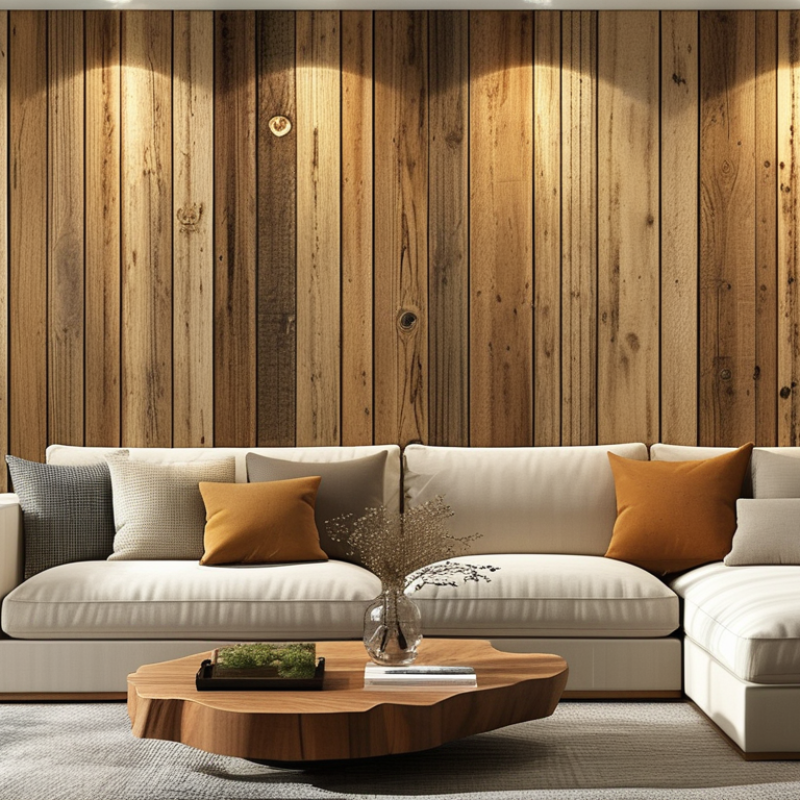
Benefits of Using Wood Walls in Home Decor
Wood walls can transform your home decor by adding warmth and character. They bring a natural elegance to any room. Since wood is a renewable resource, it also promotes sustainability. The unique grains and patterns create an inviting atmosphere that synthetic materials simply can't match.
Using wood in your decor can improve acoustics within a space. It absorbs sound, creating a quieter, more serene environment. This is especially beneficial in busy households. Additionally, wood walls can enhance air quality. They help regulate humidity and can even filter common indoor pollutants.
Tip: When choosing wood for your walls, consider the type of wood and finish. Different woods have various colors and textures. Experimenting with these elements can lead to stunning combinations. Remember that wood requires maintenance. Periodic sealing and cleaning can prevent issues such as warping or fading. Embrace the imperfections in wood's natural beauty; they tell a story in your home.
Variety of Wood Types and Finishes for Aesthetic Appeal
Wood walls offer unique aesthetic appeal for home decor. They are not just visually pleasing, but also add warmth and texture to any space. Different wood types and finishes can transform a room’s ambiance, creating a fresh and inviting atmosphere. According to a report by the American Wood Council, wood use in interior design has surged by 25% over the past five years. This shift reflects a growing appreciation for natural materials.
When considering wood types, oak, pine, and cedar are popular choices. Oak brings a classic richness. Pine offers a more rustic charm, while cedar is prized for its aromatic qualities and resilience. Each type has unique characteristics that can complement varied interior styles. Notably, a study from the National Forest Products Association indicates that homes with wood elements can achieve up to a 20% increase in perceived value compared to those without.
Finishes play a critical role too. Whether opting for a matte, glossy, or textured finish, the choice can dramatically enhance the wood's natural beauty. Some homeowners prefer paint or stains to match their decor. However, using low-quality finishes may lead to quicker wear and fading. It’s important to balance aesthetic choices with durability. Reflecting on these factors can help achieve a harmonious and lasting decor.
Environmental Impact and Sustainability of Wood Materials
Wood walls are an outstanding choice for home decor due to their environmental advantages. Notably, timber is a renewable resource when sourced sustainably. The Forest Stewardship Council (FSC) reports that responsibly managed forests can help sequester carbon, countering climate change. In fact, one cubic meter of wood can store up to 1.1 tons of CO2. This absorption highlights wood's role in reducing greenhouse gases.
Moreover, wooden interiors offer unique aesthetic and thermal benefits. Natural wood helps regulate humidity, creating a healthier indoor environment. Studies show that wood can absorb moisture when humidity levels rise and release it when they drop. This capability contributes to a balanced atmosphere, enhancing comfort in living spaces. However, it’s crucial to be mindful of sourcing. Not all wood is created equal, and unsustainable harvesting can lead to deforestation.
Selecting wood materials requires careful consideration of their provenance. Certifications like FSC or PEFC ensure responsible sourcing. Nevertheless, some may overlook these factors, prioritizing cost or aesthetics over sustainability. Awareness of wood’s impact on the environment is vital. Making informed choices contributes to healthier homes and a more sustainable future.
Installation and Maintenance Considerations for Wood Walls
Wood walls can transform any space, creating warmth and character. Installing them is a rewarding project, yet it requires careful planning. First, you'll need to assess the wall structure. Ensure that the wall is even and sturdy. Walls with moisture issues must be treated properly before installation.
Maintenance is another critical factor. Wood requires regular upkeep to preserve its appearance. Cleaning should be gentle to avoid damage. You'll want to check for signs of wear or termites. Staining or sealing may be necessary every few years. Pay attention to the humidity levels, as excessive moisture can lead to warping.
While wood walls are stunning, they can sometimes feel overwhelming. They require commitment to maintenance. Choosing the right type of wood is essential. Not all woods respond well to moisture and temperature changes. Consider how much time and effort you’re willing to invest.
Why Choose Wood Walls for Your Home Decor Needs?
This bar chart illustrates the benefits of using wood walls in home decor, including aesthetic appeal, insulation value, sustainability, and maintenance considerations.
Incorporating Wood Walls into Various Interior Design Styles
Wood walls have become a popular choice for enhancing interior design across various styles. They add warmth and texture, creating inviting spaces. According to the National Wood Flooring Association, 60% of homeowners prefer wood accents in their decor. This preference highlights wood's role in achieving a cozy yet stylish atmosphere.
In modern and minimalist designs, wood walls can serve as a beautiful contrast to sleek furnishings. Light, natural wood tones work well in open spaces, softening the overall look. For industrial styles, reclaimed wood adds character and history. It can evoke a sense of nostalgia while being environmentally friendly. Combining wood with other materials, like metal or glass, can create a balanced aesthetic.
Tips: When integrating wood walls, consider the room's purpose. In bedrooms, soft, warm tones can promote relaxation. In living areas, darker hues might evoke sophistication. Ensure proper maintenance, as wood can warp if not cared for properly. Reflect on how different wood finishes can change a space’s mood. Choosing the right wood texture can make a striking difference.
Why Choose Wood Walls for Your Home Decor Needs? - Incorporating Wood Walls into Various Interior Design Styles
| Design Style | Wood Type | Color Variations | Benefits |
| Modern | Maple | Light Blonde to Cream | Sleek look and durability |
| Rustic | Reclaimed Barnwood | Natural Weathered Tones | Character and history |
| Industrial | Pine | Warm Honey to Dark Brown | Authentic and sturdy |
| Contemporary | Birch | Pale Yellow to White | Light and airy feel |
| Traditional | Walnut | Rich Dark Brown | Sophisticated elegance |