How to Choose the Best Wireless Dog Fence for Your Needs?
Choosing the right Wireless Dog Fence is crucial for pet owners. With various options available, it can be overwhelming to make a decision. A good fence provides safety and freedom for your dog. You want a solution that is both effective and reliable.
When selecting a Wireless Dog Fence, consider your dog's size and behavior. Different models cater to various breeds and temperaments. Some fences allow for large areas, while others are suitable for smaller spaces. Investigate the technology used in each system. Some may offer advanced features like adjustable boundaries and training modes.
Many users share mixed experiences with different brands. What works well for one dog might not be suitable for another. Read reviews, but remember that every dog is unique. Take time to reflect on your yard's layout and your dog's habits. This ensures you find the best fit for your needs. A well-chosen Wireless Dog Fence enhances your dog’s safety and your peace of mind.
Understanding Your Dog's Needs for a Wireless Fence System
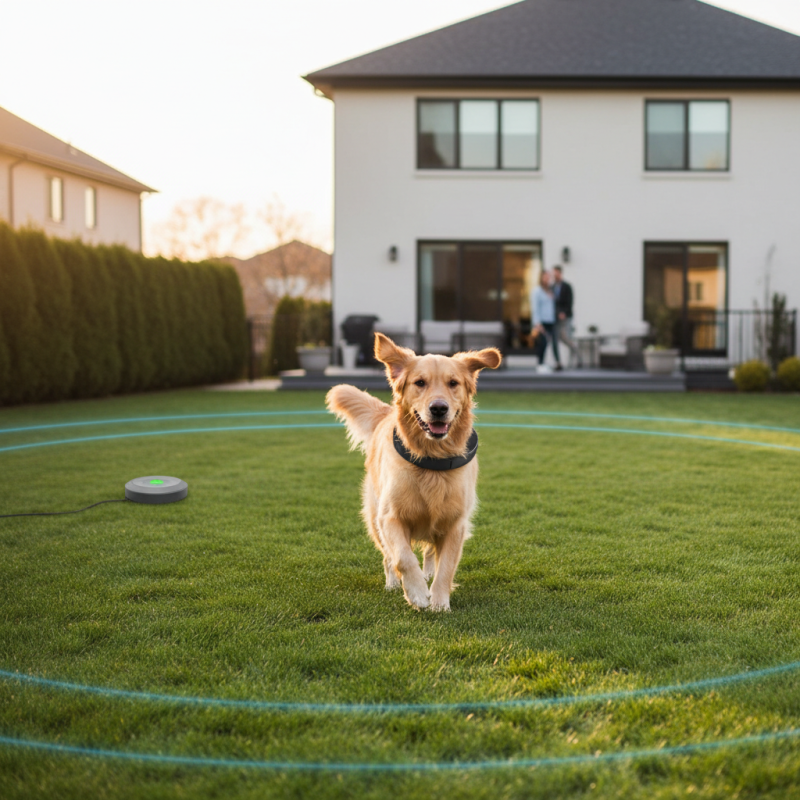
Choosing the right wireless dog fence involves understanding your dog's specific needs. Every dog is unique, and their temperament plays a significant role in how they respond to boundary training. Some dogs are naturally curious. They may try to test the boundaries. Others might be timid and need gentle guidance. Knowing your dog's personality will help you select an appropriate system.
Consider your dog's size and breed. Larger breeds may require a more robust system with extended range. Smaller dogs might do well with a basic setup. Additionally, some dogs may be more prone to wander. They might need a more reliable fence to keep them safe. Pay attention to how your dog behaves outdoors. Are they easily distracted? A system that offers adjustable settings may be beneficial.
Think about training methods too. Training is crucial for a successful transition to a wireless fence. Some dogs need firm but kind instruction. Others respond better to positive reinforcement. Reflect on your dog's learning style. This can impact the choice of the wireless fence system. Remember, a one-size-fits-all approach rarely works in pet care. Your dog deserves a solution tailored to their needs.
How to Choose the Best Wireless Dog Fence for Your Needs?
| Feature | Importance | Considerations |
| Boundary Range | High | Size of the yard and dog's roaming habits |
| Adjustable Settings | Medium | Ability to tailor the system to your dog's specific needs |
| Signal Reliability | High | Check for interference from other devices |
| Battery Life | Medium | Frequency of replacement and ease of access |
| Ease of Setup | High | DIY vs. professional installation requirements |
| Training Support | High | Availability of resources and guidance for training your dog |
| Price | Medium | Balance between features and budget limitations |
Key Features to Look for in a Wireless Dog Fence
When selecting a wireless dog fence, consider several key features. Range is critical. It affects how far your dog can roam. Look for a system that offers adjustable range settings. This gives you control over where your dog can explore. It's essential to match the range with your yard size.
Another vital aspect is the collar. The best collars are lightweight and adjustable. A comfortable fit ensures your dog won’t be distracted. Some collars also have rechargeable batteries. This can save you time and money. You might also want to check for static levels. Some systems allow you to customize correction levels. This helps in training without causing distress.
Installation should be straightforward. Many systems offer easy-to-follow instructions. However, some may require more time than expected. Be prepared for some trial and error. Factor in the terrain of your yard. A hilly area may require adjustments. Reliable customer support is a must. It can make a big difference if you run into issues. Always keep in mind that each dog is unique. What works for one may not work for another. Be patient and willing to adapt your approach.
Evaluating the Size and Layout of Your Property
When considering a wireless dog fence, understanding your property’s size and layout is crucial. Larger yards may require more extensive coverage and multiple transmitters. For irregularly shaped properties, you might face challenges ensuring that the boundary is consistently defined. If your yard has hills, valleys, or obstacles, these can create dead spots where the signal may falter.
Take the time to assess specific areas where your dog spends the most time. A dog that loves to chase squirrels might need extra protection in those corners. Knowing where your fence will be positioned can help in evaluating potential weaknesses in the system. Think about how your dog behaves. Are they escape artists or more laid-back? Their tendencies will influence how rigorously you need to set the boundaries.
Sometimes, even the best systems can struggle with interference from personal devices or neighboring fences. You may need to adapt your choices based on trial and error. Testing different configurations might provide insight into the best fit for your pet. An optimal layout combines practicality with your dog’s personality. Remember that what works for one property might not work for another.
Comparing Different Brands and Models of Dog Fences
When selecting a wireless dog fence, comparing different brands and models is crucial. Various industry reports indicate that over 70% of dog owners value effectiveness and reliability. Features like range, adjustability, and safety mechanisms should be prioritized. Many models claim extensive coverage; however, real-world performance can vary greatly. For instance, some systems may work well in open spaces while underperforming in densely wooded areas.
It's important to consider the ease of installation and user-friendliness. Quality reviews often highlight that 60% of consumers prefer fences that can be set up within an hour. Finding a model with an intuitive interface simplifies training your dog. Make sure to research how well a model performs under diverse weather conditions. Waterproof devices can withstand elements better, ensuring your investment lasts.
Tip: Always check for warranty options. A reliable product should come with a good guarantee, reflecting the manufacturer’s confidence. Many products offer a trial period, allowing you to assess their performance effectively before fully committing. Always seek out independent reviews to gauge real user experiences, rather than relying solely on marketing claims.
Comparison of Different Features in Wireless Dog Fences
Budget Considerations and Long-term Value of a Wireless Fence
When considering a wireless dog fence, budget is crucial. Many options are available, varying greatly in price. An expensive system may offer advanced features, but it’s important to assess if you truly need them. Sometimes, a basic model will suffice for your dog’s needs. Look at your budget not just for the purchase, but also for long-term maintenance.
A key point is the durability of the wireless fence. Cheaper models may save you money upfront, but they could fail sooner. This could lead to additional costs down the line. Evaluate warranty options. A reliable product will often come with a warranty that signifies quality. This offers peace of mind, knowing you’re covered if something goes wrong.
Consider the cost of replacements or repairs. Frequent failures can add up quickly. It’s wise to invest in a system known for reliability. Also, don’t overlook the importance of customer support. Sometimes, cheaper options lack adequate assistance. If issues arise, this can be frustrating. A balance between initial cost and long-term value is essential to ensure your investment is worthwhile.