How to Choose the Right Artificial Graphite Supplier?
Choosing the right Artificial Graphite supplier is not a simple price comparison. It is a technical risk decision.
Demand is becoming more demanding. The International Energy Agency’s Global Critical Minerals Outlook 2024 reports that China controls over 90% of graphite refining for battery anodes. This concentration makes supplier location, processing capability, and supply continuity essential. Meanwhile, Benchmark Mineral Intelligence continues to identify graphite as a critical material for lithium-ion battery growth. As Andrew Miller, Chief Operating Officer at Benchmark, has stated, “Graphite is the largest component in a lithium-ion battery by weight.”
That detail matters.
A reliable supplier should provide measurable specifications, not broad promises. Check fixed-carbon content, ash level, moisture, particle-size distribution, tap density, and graphitization degree. Request recent certificates of analysis and compare them with independent laboratory results. A clean sample can still hide unstable batch performance. Ask about production capacity, backup equipment, quality-control records, and raw-material traceability. Factory photographs are useful, but audited documentation is stronger.
The best choice may not be the cheapest quotation. It should fit your process, volume, and risk tolerance. Test pilot batches before signing a long-term agreement. Visit the plant when practical, and examine packaging, labeling, and storage conditions. Even experienced buyers can overlook one weakness: technical consistency often matters more than an impressive product brochure. Supplier selection remains partly imperfect, because forecasts change and data can be incomplete. Careful verification reduces that uncertainty.
What Is Artificial Graphite and Why Supplier Choice Matters
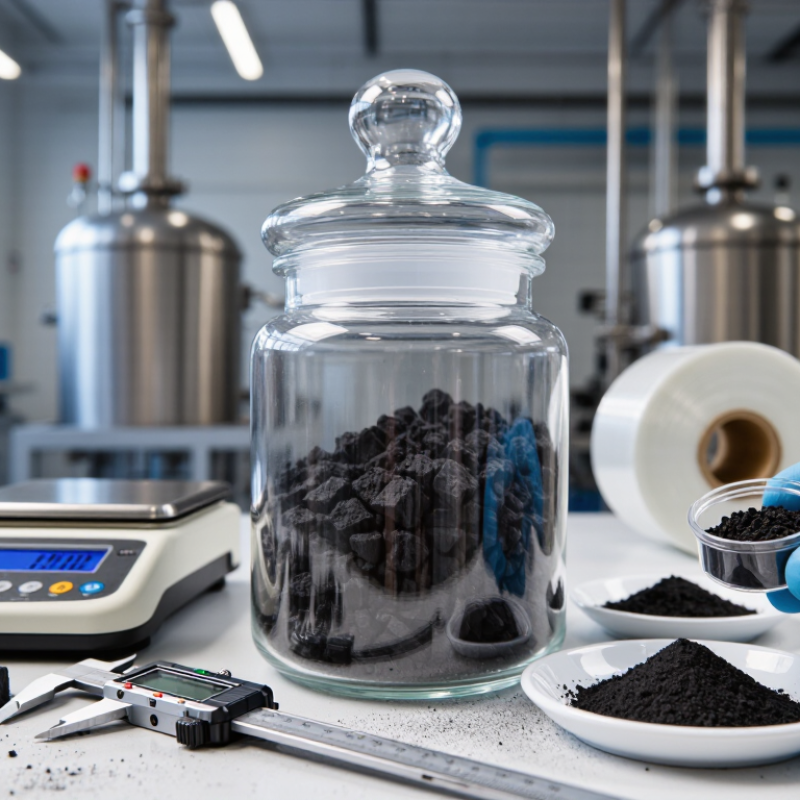
Artificial graphite is a manufactured carbon material, usually produced by heating petroleum coke and pitch at extremely high temperatures. This process creates a structured material with strong electrical conductivity and thermal stability. Its purity, particle size, ash content, and surface properties can vary widely.
Supplier choice matters because these differences affect real performance. In battery materials, a small shift in particle size may change processing behavior. In furnace components, inconsistent density can create weak points. A reliable supplier should provide recent certificates of analysis, clear test methods, lot traceability, and documented production controls. Ask how they manage raw material changes, equipment maintenance, and rejected batches.
Look beyond the quotation.
A practical evaluation includes sample testing under your own operating conditions. Check tap density, moisture, impurities, particle distribution, and packaging quality. A clean-looking sample proves little without repeatable data. Factory audits, technical communication, and realistic delivery schedules also reveal supplier maturity. No supplier is flawless. A supplier that admits limits may deserve more trust than one promising perfect results. I would still verify every claim, because specifications can be incomplete or interpreted differently. Reliable cooperation grows from transparent records, consistent batches, and prompt answers when something goes wrong.
How to Evaluate Supplier Production Capacity and Technical Expertise
Choosing the right artificial graphite supplier requires more than comparing quoted prices. Production capacity must match your real demand, including seasonal peaks and rejected batches. Ask for monthly output, furnace capacity, operating shifts, and verified delivery records. A supplier may advertise large annual capacity, but usable capacity is often lower after maintenance and quality losses.
Technical expertise matters at every production stage. Review control of graphitization temperature, particle size, ash content, tap density, and electrical resistance. Request recent certificates of analysis and independent laboratory results. The International Energy Agency’s Global Critical Minerals Outlook 2024 highlights China’s dominant position in graphite refining and anode materials. This concentration increases supply-chain exposure, so a capable supplier should explain raw-material sourcing, backup facilities, and inventory policies. The USGS Mineral Commodity Summaries 2024 reported about 1.6 million metric tons of natural graphite mine production in 2023. That figure is not synthetic graphite output, but it shows the scale and pressure of the wider graphite market.
Tips: Visit the plant when possible. Watch furnace loading, inspection records, and warehouse conditions. Ask for a pilot batch before signing a long contract. Compare samples under your actual operating temperature, not only room conditions. One weakness remains easy to miss: some suppliers provide excellent laboratory data but lack stable scale-up performance. Treat that gap as a warning, not a minor inconvenience. Require corrective-action reports, traceable batch numbers, and clear replacement terms. Reliability is demonstrated over repeated shipments.
How to Verify Material Consistency, Testing, and Quality Control
Choosing an artificial graphite supplier requires more than comparing prices or reviewing a polished product sheet. Material consistency should be demonstrated through repeatable data.
Ask for certificates of analysis from several production lots, not just one sample. Check fixed carbon, ash, moisture, particle size distribution, and tap density. These values can affect conductivity, flow, mixing, and final performance. Small differences matter.
Request the supplier’s testing methods and acceptance limits. Reliable laboratories should use calibrated instruments, controlled sampling procedures, and documented revisions. A test result without a clear method is difficult to evaluate. It may look precise, yet remain weak evidence. Confirm whether samples are taken from the full lot or only from the surface of a bag. Surface sampling can hide segregation.
Traceability is equally important. Each shipment should connect to a production date, raw material record, batch number, and inspection report. During an on-site or remote audit, observe how samples are labeled and stored. I have found that ordinary details, such as clean containers and sealed reference samples, often reveal more than impressive presentations.
Do not rely on averages alone. Ask for historical variation across multiple lots and explanations for unusual results. A supplier that openly discusses process limits may be more trustworthy than one claiming perfect uniformity. I would also test an incoming lot independently before approval, even when the paperwork appears complete. Paperwork can be incomplete. Final trials should monitor performance after storage, handling, and mixing, because laboratory consistency does not always guarantee production consistency.
How to Choose the Right Artificial Graphite Supplier?
Material consistency, testing coverage, and quality-control performance
The chart compares practical supplier-verification indicators. A lower coefficient of variation indicates more consistent material, while higher testing coverage, lot acceptance, and traceability results indicate stronger quality control. Confirm the final acceptance limits against your specification, application, and applicable testing standards.
How to Compare Pricing, Logistics, and Long-Term Supplier Support
How to Choose the Right Artificial Graphite Supplier?
When I compare artificial graphite suppliers, I start with specifications, not the lowest price. I request quotes using identical grades, particle sizes, ash limits, moisture levels, and packaging requirements. The quote should separate material, packing, testing, and delivery charges. A low unit price can hide expensive rework. Check the full cost.
I also compare logistics in practical terms. Ask about production lead time, minimum order quantity, loading schedules, and export documents. Confirm the delivery term and responsibility for freight, insurance, and customs clearance. A supplier may promise fast shipping, yet lack buffer stock during peak demand. I learned this after planning around an optimistic schedule. The delay disrupted a trial run and cost more than expected.
Long-term support deserves the same attention as pricing. A dependable supplier should provide consistent certificates of analysis, batch traceability, technical responses, and clear complaint procedures. Ask how they handle specification changes or a rejected shipment. Request samples from different production batches when possible. One sample proves little. Regular communication also matters; slow replies often become slower problem-solving later. I would still avoid assuming that a polished presentation guarantees stable quality. A site visit, independent testing, and a written supply agreement provide stronger evidence. Supplier evaluation is not perfect, but documented checks reduce avoidable surprises.