How to Easily Detect Plumbing Leaks in Your Home?
Homeowners often face the silent menace of plumbing leaks. These leaks can lead to costly repairs and higher water bills. Early Plumbing Leak Detection is crucial to prevent significant damage. Identifying these leaks early can save you both time and money on repairs.
Regular checks around your home can reveal minor issues before they escalate. Look for damp spots, mold growth, or unusual water stains. These signs may indicate a plumbing issue. Pay attention to changes in water pressure and increased utility bills. They may also be indicators of hidden leaks.
Using specialized tools can aid your Plumbing Leak Detection efforts. Devices like moisture meters and acoustic leak detectors can pinpoint problem areas effectively. Yet, not every homeowner has access to advanced tools. Sometimes, relying on professional help becomes necessary. Understanding the basics of leak detection can empower you to take action quickly when issues arise.
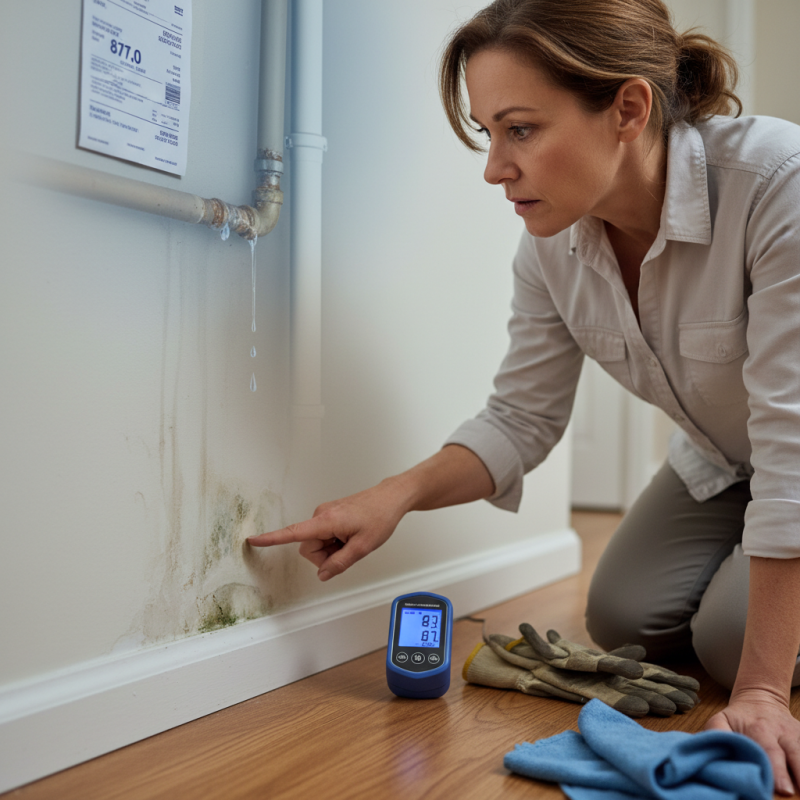
Understanding Different Types of Plumbing Leaks in Homes
Plumbing leaks can significantly impact your home. Understanding their types is essential for preventive measures. One common type is pinhole leaks, often found in copper piping. A report by the American Society of Plumbing Engineers indicates that small leaks can waste up to 20 gallons of water per day.
Slab leaks are another issue homeowners face. These leaks occur beneath the concrete foundation. The severity can lead to structural damage. According to the National Underwriter, slab leaks account for over 50% of water loss in homes with a slab foundation. Homeowners often notice unusual hot spots on their floors.
Hidden leaks can be even more challenging. They may develop behind walls or under sinks. Identifying these requires keen observation. Damp spots on walls, increased water bills, or mold growth are all red flags. Research shows undetected leaks can lead to severe property damage, costing thousands in repairs. Being proactive is crucial.
Identifying Common Signs of Plumbing Leaks
Detecting plumbing leaks early can save you time and money. Many signs can indicate a leak in your home. Pay attention to unexpected water bills. A sudden spike may suggest hidden leaks in your pipes.
Another clue is the presence of water stains on walls or ceilings. These stains often indicate that water is escaping. Peeling paint or warped flooring can also hint at moisture problems. Always check under sinks and around toilets for puddles or dampness. You might notice a musty smell, which can signal mold growth from a leak.
Keep an eye on your water meter. If it keeps running while using no water, there may be a leak. Inspect your home regularly for these signs. A small leak can turn into a big problem. Addressing these issues promptly ensures your home remains safe and dry. Your vigilance can prevent costly repairs in the future.
Common Signs of Plumbing Leaks in Your Home
The following chart displays the frequency of common signs of plumbing leaks observed in homes. These signs can help homeowners quickly identify potential leaks and take necessary action.
Tools and Techniques for Detecting Leaks
Detecting plumbing leaks in your home is crucial for preventing costly damage. Several tools and techniques can help identify these leaks before they escalate. Infrared cameras, for instance, can reveal temperature differences in walls, ceilings, and floors. According to a report by the American Society of Plumbing Engineers, thermal imaging can detect leaks without invasive measures. This technology can pinpoint issues quickly and efficiently.
Acoustic leak detection is another effective method. It utilizes sound waves to identify leaks in pipes. Professionals often use sophisticated listening devices to catch the sound of running water in hidden areas. Research indicates that this technique can be 95% accurate when properly implemented. Homeowners can purchase simple versions of these tools for DIY detection. However, using them effectively requires some training and understanding of sound dynamics.
Visual inspections should not be overlooked. Homeowners can regularly check water usage against bills. A sudden spike may indicate a leak. Additionally, puddles or moist spots around plumbing fixtures are red flags. Yet, many people overlook minor signs, which can lead to severe issues. Regular maintenance and a keen eye for detail can save homeowners significant repair costs in the long run.
How to Easily Detect Plumbing Leaks in Your Home? - Tools and Techniques for Detecting Leaks
| Detection Method | Description | Ideal Use | Cost ($) |
| Visual Inspection | Check for moisture signs, discoloration, or mold. | Quick assessments | Free |
| Water Meter Check | Monitor water meter to identify unexplained usage. | Ongoing monitoring | Free |
| Sound Detection | Listen for running water or unusual sounds. | Known leak areas | Free |
| Dye Testing | Use dye tablets in toilets to check for leaks. | Toilets and sinks | 5-10 |
| Moisture Meter | Measures moisture levels in walls and floors. | Detailed inspections | 50-150 |
| Thermal Imaging | Detects temperature differences to find hidden leaks. | Comprehensive assessments | 200-600 |
Step-by-Step Guide to Locating Hidden Plumbing Leaks
Detecting plumbing leaks in your home can save you a significant amount of money. Research shows that leaks can waste over 10,000 gallons of water annually in an average household. To begin the search, check your water meter. Turn off all water sources and monitor any usage. If the meter continues to move, a leak is likely present.
Next, look for visible signs. Leaks can manifest as water stains, mold growth, or peeling paint. Inspect walls, ceilings, and floors for these indicators. It’s important to check under sinks and behind appliances. Many leaks are hidden from sight, but they can often be detected by unusual dampness or an increase in utility bills.
If you suspect hidden leaks, consider utilizing technology for detection. Acoustic leak detectors are effective in pinpointing the sound of leaks within pipes. Studies suggest that early detection of plumbing issues can reduce repair costs by up to 30%. A proactive approach can mitigate future water damage. Don't overlook the importance of routine inspections, even if you can't see any obvious signs. Regular attention to your plumbing can prevent costly repairs down the road.
Preventive Measures to Avoid Future Plumbing Leaks
Plumbing leaks can lead to significant damage and costly repairs. Taking preventive measures can help avoid these issues. Regular checks and maintenance are essential in identifying potential problems early on. By incorporating simple strategies, homeowners can protect their properties from water damage.
One effective tip is to regularly inspect visible pipes and plumbing fixtures. Look for water stains, corrosion, or mold around connections. These signs could indicate a leak that needs immediate attention. Keeping your plumbing components clean can also help spot issues sooner.
Another preventive measure is to maintain proper water pressure. High water pressure can stress pipes, leading to leaks over time. Consider installing a pressure regulator to keep levels in check. Regularly testing the pressure can save you from future headaches.
Educate yourself about your home's plumbing system. Knowing where the main shut-off valve is located can save you time in emergencies. Familiarizing yourself with pipe layouts can also help during repairs. Awareness leads to quicker action and reduces damage risks.