What is HVAC and Refrigeration and How Does It Work?
HVAC and refrigeration systems play a vital role in our daily lives. They help control indoor temperatures and manage air quality. These systems ensure comfort in homes, offices, and industrial spaces alike. Understanding how HVAC and refrigeration work is essential for proper maintenance and efficiency.
The HVAC and refrigeration process relies on several components. These include compressors, condensers, evaporators, and fans. Each part has a specific function, but together they create a harmonious environment. It might seem straightforward, yet many fail to recognize common issues. Air leaks, dirty filters, and improper settings can reduce efficiency significantly.
Modern HVAC and refrigeration systems are becoming increasingly complex. However, their basic principles remain the same. Learning about these systems could lead to fewer breakdowns and lower energy bills. Yet, many users often overlook simple maintenance tasks, leading to bigger problems later. Mastering the intricacies of HVAC and refrigeration requires attention and commitment.
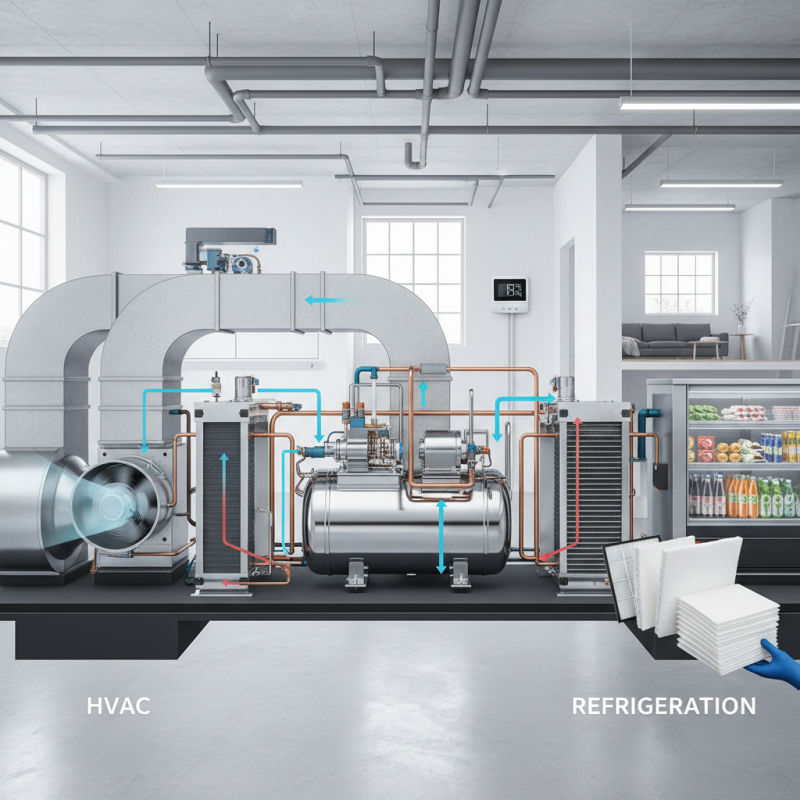
What is HVAC and Refrigeration: Definition and Overview
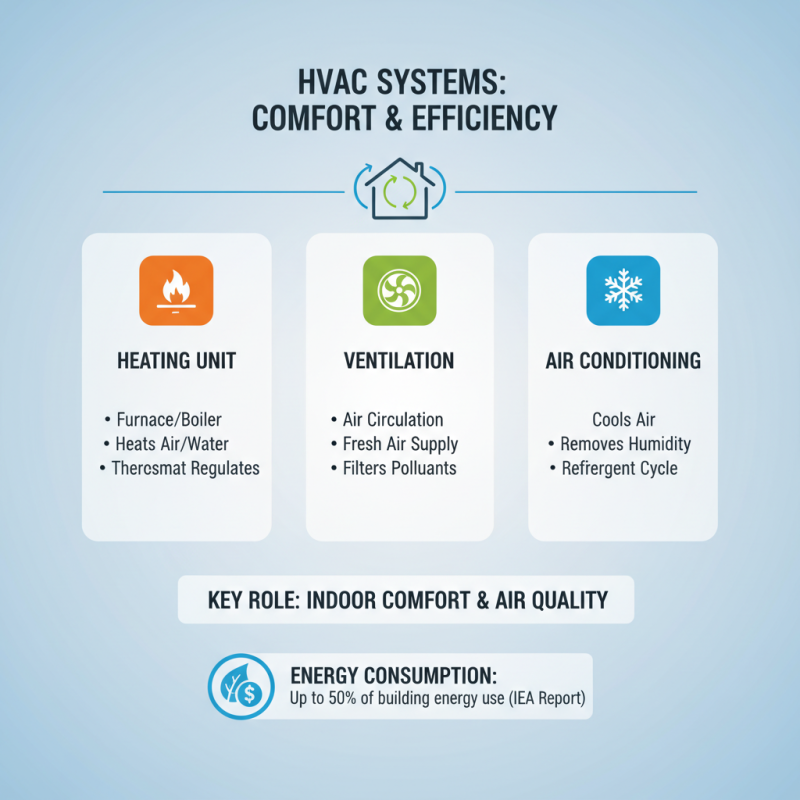
HVAC stands for Heating, Ventilation, and Air Conditioning. It plays a crucial role in maintaining indoor comfort. This system regulates temperature and air quality in homes and buildings. It includes various components, such as furnaces, air conditioners, and ventilation systems. Each part has its function and contributes to overall efficiency.
Refrigeration is closely related to HVAC but focuses mainly on cooling. It's essential in both residential and commercial settings. Refrigeration helps preserve food and maintain a suitable environment. These systems often use refrigerants to absorb and remove heat. Understanding how these systems work can seem overwhelming. Many homeowners do not realize the importance of regular maintenance. A neglected HVAC system can lead to higher energy bills and decreased performance.
Identifying common issues may require professional help. Not everyone knows where to start. Users might overlook filter changes or incorrect settings. However, even small tweaks can lead to better efficiency. Investing in knowledge about HVAC can improve comfort and save costs long-term.
Monthly Energy Consumption in HVAC Systems
Key Components of HVAC Systems: Understanding the Essentials
HVAC systems play a crucial role in maintaining indoor comfort. They consist of several key components, including heating units, ventilation systems, and air conditioning. Each part works together to regulate temperature and air quality. A report by the International Energy Agency (IEA) found that energy consumption for heating and cooling in buildings can represent up to 50% of total energy use.
Heating units, such as furnaces or heat pumps, warm the air. Ventilation systems circulate and filter indoor air. Air conditioning units remove heat and humidity from living spaces. Understanding how these components function together is essential for efficient energy usage. For instance, regular maintenance of HVAC systems can improve efficiency by up to 30%.
Tip: Regularly replace air filters to ensure optimal airflow and improve indoor air quality. Another consideration is insulation. Poor insulation can lead to significant energy loss. An energy audit can reveal areas needing improvement. Remember, a well-maintained system not only saves energy but also enhances comfort. Simple adjustments can lead to great rewards.
The Refrigeration Cycle: How Cooling Works in HVAC
The refrigeration cycle is essential for cooling in HVAC systems. It involves four main processes: evaporation, compression, condensation, and expansion. Each step plays a crucial role. The cycle begins when refrigerant absorbs heat from indoor air in the evaporator. This process transforms the refrigerant from a liquid to a gas. It's fascinating how this simple exchange lowers the air temperature.
Next, the compressor steps in. It takes the low-pressure gas and compresses it into high-pressure gas. This is where some might falter. If the compressor isn’t functioning properly, the entire system suffers. After compression, the gas flows to the condenser. Here, it releases the absorbed heat into the outside air, turning back into a liquid. Observing this transition highlights how efficient these systems can be, yet they can fail without routine maintenance.
The final step is expansion, where the refrigerant passes through an expansion valve. This process drops the refrigerant's pressure, cooling it down further. Mistakes in this step can lead to poor cooling performance. Understanding these components is vital for recognizing issues. HVAC systems are complex, and even small oversights can impact overall efficiency. Each element of the refrigeration cycle needs attention to maintain optimal performance.
What is HVAC and Refrigeration and How Does It Work? - The Refrigeration Cycle: How Cooling Works in HVAC
| Component |
Function |
Type |
Common Uses |
| Compressor |
Pressurizes the refrigerant gas |
Mechanical |
Refrigerators, air conditioners |
| Condenser |
Dissipates heat and converts gas to liquid |
Heat Exchanger |
Commercial chillers, HVAC systems |
| Expansion Valve |
Reduces the pressure of the refrigerant |
Flow Control Device |
Air conditioning systems |
| Evaporator |
Absorbs heat and converts liquid to gas |
Heat Exchanger |
Refrigerators, freezers |
| Refrigerant |
Transports heat through the system |
Chemical Compound |
Cooling and heating systems |
Importance of HVAC in Energy Efficiency and Sustainability
HVAC systems play a crucial role in energy efficiency and sustainability. They regulate indoor temperatures, ensuring a comfortable environment. However, they can consume a lot of energy. Inefficient units may lead to high bills and increased carbon footprints. It's essential to assess the efficiency of your HVAC system regularly.
Modern HVAC technologies focus on sustainability. They often include smart thermostats and energy-efficient designs. These features help reduce energy use while maintaining comfort. However, many systems still rely on outdated components. This can be a problem, as old units usually waste energy and resources.
Improving HVAC efficiency often requires investment. Regular maintenance can enhance performance, but not everyone prioritizes this. It's a challenge to make sustainable choices. Homeowners may need to weigh upfront costs against long-term savings. The process often involves trial and error, but the impact can be significant.
Emerging Trends in HVAC Technology: Innovations and Industry Data
The HVAC industry is evolving rapidly. Recent data shows that the global HVAC market is projected to reach $200 billion by 2026, with a compound annual growth rate (CAGR) of 5.9%. This growth reflects the rising demand for efficient heating and cooling systems. Innovations in smart technology are leading the way. Smart thermostats and sensors now optimize energy use effectively.
Air quality improvements are also a focus. The demand for air purifiers is surging, driven by health concerns. According to industry reports, the air purification segment is expected to grow by 7% annually. This shift indicates a need for better indoor air environments. However, not all HVAC systems are equipped for this transition. Many older systems fall short in efficiency and effectiveness, requiring upgrades that can be costly.
Sustainability is becoming a priority too. A significant portion of HVAC systems still relies on fossil fuels. More renewable energy solutions are necessary. The transition to greener technologies poses challenges. Industry professionals must rethink existing infrastructures. Balancing innovation and cost-effectiveness remains an ongoing struggle. The future of HVAC holds promise, but challenges persist.