
MOLYBDENUM SHEET is a high-performance metal product used where ordinary materials may fail. It is made from molybdenum, a refractory metal known for its high melting point, strength, and stability at elevated temperatures. In practical terms, a thin sheet can remain reliable inside a hot furnace, vacuum chamber, or specialized manufacturing system. The surface may appear simple. Its performance is not.
This material also offers useful resistance to thermal deformation and many corrosive environments. Engineers often select it for furnace components, heat shields, electrical contacts, semiconductor equipment, and aerospace-related assemblies. Its low thermal expansion can help protect delicate structures during repeated heating and cooling cycles. However, molybdenum is not automatically suitable for every application. Oxygen exposure, fabrication quality, thickness, and operating temperature can change its performance significantly.
A careful introduction should therefore cover more than its definition. It should explain available grades, production methods, mechanical characteristics, and common industrial uses. Material certificates and supplier testing remain important, especially for demanding applications. Real-world selection may require reviewing purity, flatness, surface condition, and dimensional tolerances. Small details matter. A design that works in a controlled vacuum may behave differently in air.
This guide examines what MOLYBDENUM SHEET is, how it is manufactured, and why industries use it. It also considers practical limitations that are sometimes overlooked. The goal is clear, evidence-based understanding, not exaggerated claims.
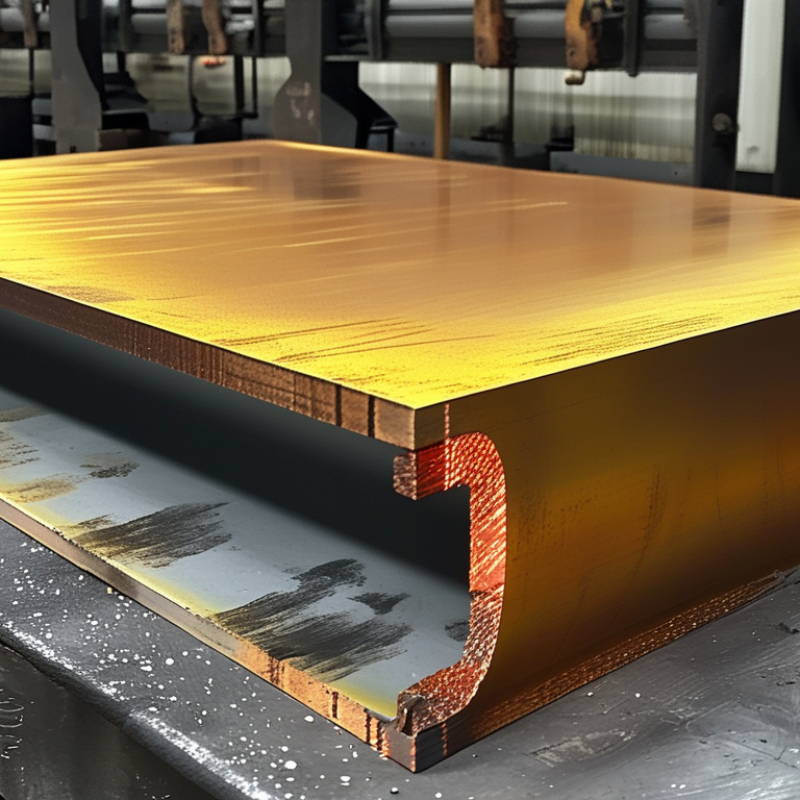
Molybdenum sheet is a flat, rolled product made from molybdenum metal. It usually has a silvery-gray surface and a fine, dense structure. Manufacturers control its thickness, width, purity, and surface finish for specific engineering needs. The material keeps its strength at temperatures where many common metals soften. It also resists thermal expansion and performs well in vacuum or protective atmospheres.
Its value becomes clear in demanding equipment. Molybdenum sheet can support furnace shields, heating elements, sintering trays, and high-temperature structural parts. It also appears in components used for electronics, glass manufacturing, aerospace systems, and laboratory equipment. A thin sheet may look simple, but its performance depends on grain direction, edge quality, and exposure conditions. Careful forming matters. Sharp bends can cause cracking, especially when the sheet is cold or improperly prepared.
Molybdenum is not a universal solution. Oxygen at high temperatures can cause rapid oxidation, so air exposure requires serious attention. Designers must also consider contamination, weldability, and the difference between pure molybdenum and alloyed grades. In real fabrication work, a technically strong sheet can still fail when its thickness or surface condition is poorly matched to the application. That detail is easy to underestimate. Good specifications should identify operating temperature, atmosphere, mechanical load, and required dimensional tolerance before production begins.

Molybdenum sheet is a thin, rolled product made from refractory metal. NIST records its melting point at approximately 2,623°C and density at 10.28 g/cm³. These figures explain its use inside vacuum furnaces, heat shields, sintering trays, and high-temperature fixtures. It also resists many corrosive environments, although oxidation becomes a concern in air at elevated temperatures. The material is not invincible.
Grade selection affects service life. Commercially pure molybdenum offers strong thermal stability and reliable electrical conductivity. It suits furnace parts, sputtering targets, and semiconductor processing hardware. TZM alloy, containing small additions of titanium and zirconium, provides better creep resistance and strength during prolonged heating. Lanthanum-doped grades can retain useful ductility after recrystallization. They are often considered for demanding furnace components.
ASTM B386/B386M provides requirements for molybdenum and molybdenum-alloy sheet, plate, and foil. Buyers should review chemistry, thickness tolerance, tensile properties, surface condition, and ultrasonic or visual inspection records. The USGS Mineral Commodity Summaries 2024 estimated global molybdenum mine production at about 250,000 metric tons in 2023. That supply supports steelmaking, catalysts, electronics, and specialty components, but sheet quality still depends heavily on rolling and annealing control. A certificate alone is not enough. Actual furnace temperature, atmosphere, loading, and thermal cycling must guide the final grade choice.
Molybdenum sheet is a dense, silver-gray material used where heat and corrosion challenge ordinary metals. Its manufacturing begins with molybdenite concentrate, usually processed into molybdenum oxide and then reduced to metal powder. The U.S. Geological Survey reported approximately 310,000 metric tons of global mine production in 2023. Much of this supply comes as a byproduct of copper mining, which affects powder availability and price stability.
Manufacturers press the powder into compact billets using controlled pressure. These billets are then sintered in hydrogen or vacuum atmospheres. High temperature removes remaining porosity and strengthens the structure.
The sintered material passes through repeated hot and cold rolling stages. Each pass reduces thickness and improves surface uniformity. Intermediate annealing relieves stress and limits cracking. The process is demanding.
Rolling direction matters. A poorly controlled reduction schedule can create uneven grain structures. That weakness may appear later during bending or thermal cycling. Sheets are trimmed, cleaned, and inspected for thickness, flatness, surface defects, and internal discontinuities. ASTM B386 provides widely used requirements for molybdenum plate, sheet, and foil. Many producers also use ultrasonic testing for critical applications. Final properties depend on purity, grain size, rolling temperature, and annealing conditions. This is where manufacturing experience matters most. A polished surface alone does not prove reliable performance.
Molybdenum sheet is a flat, rolled product made from a high-temperature refractory metal. It retains strength in demanding thermal environments. Its low thermal expansion helps maintain dimensional stability during repeated heating and cooling. The material also transfers heat efficiently and resists many forms of chemical attack. However, it is not universally corrosion-proof. Careful process conditions still matter.
Manufacturers use molybdenum sheet for furnace shields, heating supports, trays, and internal fixtures. In vacuum furnaces, it can protect sensitive parts from radiant heat. Semiconductor production also uses thin molybdenum components around high-temperature processing zones. Glass manufacturing relies on molybdenum parts where molten glass and intense heat create severe wear. Some electrical and aerospace systems use the sheet for thermal barriers or structural elements. The exact grade and thickness depend on temperature, atmosphere, load, and forming requirements.
Details matter here. A sheet may perform well in vacuum but degrade quickly in oxygen-rich air at high temperatures. That limitation is easy to overlook. Cutting and bending can also introduce edge cracking, especially when the material is cold-worked without proper control. Experienced fabricators inspect surface condition, flatness, grain direction, and thickness tolerance before installation. Engineers should also consider tungsten or coated alternatives when oxidation resistance becomes critical. Molybdenum sheet remains valuable because it combines strength, conductivity, and stability where ordinary steel would soften or fail.
Molybdenum sheet is a flat, refractory metal product valued for its high melting point, strength, and dimensional stability. It is used in furnace parts, heat shields, semiconductor equipment, and high-temperature fixtures. Selecting the right sheet requires more than checking thickness. Review purity, alloy type, surface condition, tolerance, and operating temperature.
Higher purity may suit contamination-sensitive applications, while reinforced grades can offer better strength. Match the thickness to the load and forming method. A thin sheet bends more easily, but it may warp under heat.
Measure the required dimensions carefully. Cutting allowances matter. In practice, sharp edges and small scratches can become failure points during thermal cycling.
Handle the sheet with clean gloves and protected tools. Avoid dragging it across metal benches. Store it flat, dry, and covered to prevent dust and accidental dents.
When forming is necessary, use gradual pressure and suitable tooling. Excessive bending can create hidden cracks. I have found that a visually smooth surface does not always confirm internal quality, so certificates and inspection records deserve attention.
That step is easy to overlook. Before installation, remove oil and particles with an approved cleaning method, then inspect the sheet under strong light.
Molybdenum oxidizes at elevated temperatures in air, so the equipment should provide vacuum or a controlled protective atmosphere. Always verify the actual service conditions, because an apparently suitable sheet can fail when temperature, stress, and atmosphere change together.
3295 Cobb International Blvd.
Kennesaw, GA 30152
800-367-1377
sale@patiostools.com
© 2023 - Marsh Instruments