What is an Oil Pressure Gauge and How Does it Work?
Oil pressure gauges are essential instruments in automotive and industrial applications. They monitor the oil pressure within an engine or machinery, providing vital information for optimal performance. High or low oil pressure can indicate underlying issues, like leaks or pump failures. The significance of oil pressure gauges cannot be overstated; they help prevent severe engine damage.
These gauges function by measuring the pressure of the oil circulating through an engine. A malfunctioning gauge can give inaccurate readings, leading to potentially dangerous situations. Mechanics often rely on their expertise to troubleshoot these instruments. Understanding how they operate helps in maintaining engine efficiency and longevity.
Many vehicle owners might overlook oil pressure gauges. However, they play a critical role in overall vehicle health. Regular checks can reveal important trends. Ignoring these readings can lead to costly repairs. It's crucial to understand the importance of monitoring oil pressure, as it ensures that your engine runs smoothly and reliably.
What is an Oil Pressure Gauge?
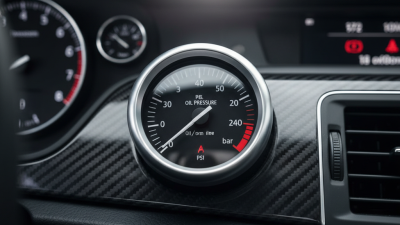
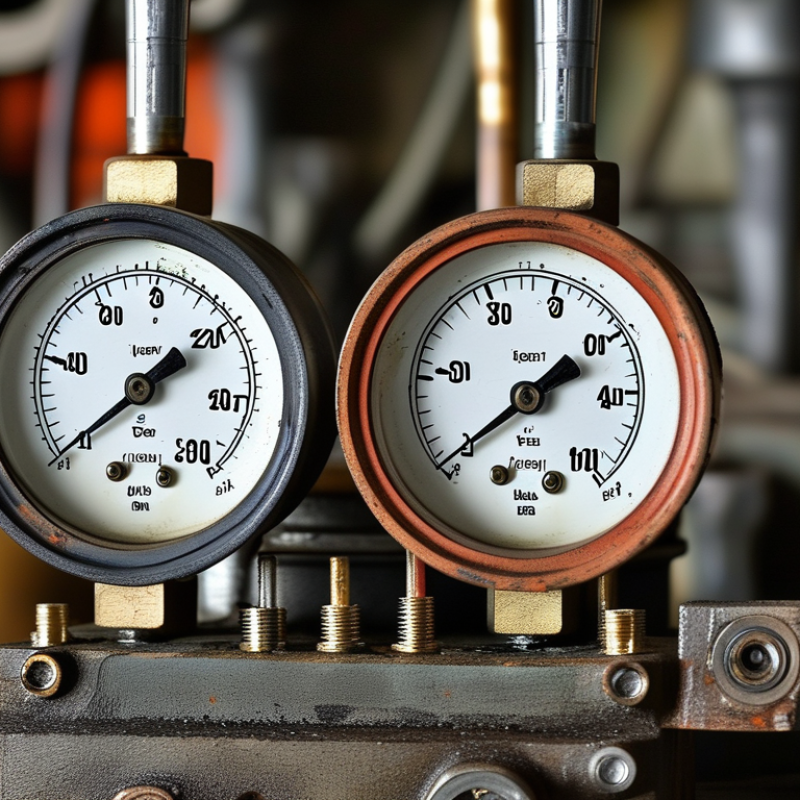
An oil pressure gauge measures the oil pressure within the engine's lubrication system. This device helps monitor the flow of oil, ensuring the engine operates smoothly. Typically, optimal oil pressure ranges from 25 to 65 psi at normal operating temperature. When oil is circulating effectively, it protects vital engine components, reducing friction and wear.
Many modern vehicles utilize electronic sensors alongside traditional mechanical gauges. These innovations provide more accurate readings and faster response times. Reports suggest that a malfunctioning oil pressure gauge could indicate significant engine problems. If the oil pressure is too low, it might lead to serious damage, resulting in costly repairs.
It’s essential to recognize potential faults in your gauge readings. Inaccurate measurements can mislead drivers into neglecting maintenance. Over time, oil can degrade, reducing its effectiveness. Regular checks can help detect issues early. Monitoring oil pressure is one step in preventing engine failure, which highlights the importance of maintaining this crucial system.
The Importance of Oil Pressure in Engine Performance
Oil pressure is crucial for optimal engine performance. It ensures that engine components are well-lubricated. Insufficient oil pressure can lead to metal friction, overheating, and eventual engine failure. According to the American Society of Automotive Engineers, low oil pressure is one of the leading causes of engine damage in vehicles.
Maintaining proper oil pressure is essential for longevity. The ideal oil pressure varies by engine size and type. Typically, it ranges between 20 and 60 psi. When pressure drops below this range, it can signal a problem. Studies indicate that engines running on inadequate oil pressure can experience a 25% decrease in efficiency. This inefficiency can lead to increased fuel consumption and higher emissions.
An oil pressure gauge is a valuable tool for monitoring engine health. It provides immediate feedback on oil pressure levels. Regularly checking this gauge can prevent costly engine repairs. However, many drivers overlook its importance. Ignoring warning signs can result in irreversible damage. Ultimately, understanding oil pressure impacts not just performance but also vehicle reliability over time.
How Oil Pressure Gauges Function Mechanically and Electrically
Oil pressure gauges are crucial for monitoring engine health. They provide real-time data on oil pressure levels, ensuring proper lubrication. This helps prevent overheating and mechanical failures. An engine typically operates at an oil pressure range between 25 to 65 psi, according to industry standards.
Mechanically, these gauges use a Bourdon tube, which responds to oil pressure changes. As pressure increases, the tube straightens and moves a pointer on the gauge. This process translates pressure into a visual reading. Electrically, modern gauges often employ pressure sensors. These sensors send signals to the gauge display, showing accurate readings rapidly.
Despite their reliability, issues can arise. A blocked oil line may cause misleading readings. It’s important to regularly check both the gauge and the oil system. Regular maintenance not only prolongs the life of the engine but also enhances safety. Understanding the nuances of oil pressure gauges can help prevent costly repairs and ensure robust engine performance.
What is an Oil Pressure Gauge and How Does it Work?
| Dimension |
Description |
| Type |
Mechanical and Electrical |
| Measurement Range |
0 to 80 PSI or 0 to 100 PSI |
| Purpose |
Monitor engine oil pressure for performance |
| Connection Type |
Threaded or Push-on fittings |
| Installation Location |
Typically near the engine oil filter |
| Operation Principle |
Uses mechanical movement or electrical signals to gauge pressure |
| Common Issues |
Readings that are too high or too low; gauge failure |
| Maintenance |
Regular checks and replacement as required |
Types of Oil Pressure Gauges Used in Automotive Applications
Oil pressure gauges are essential in automotive applications. They monitor the engine's oil pressure, helping ensure optimal performance. Two main types of oil pressure gauges are mechanical and electrical gauges.
Mechanical gauges operate using a Bourdon tube. When the oil pressure increases, the tube expands, moving a needle on the dial. This method is straightforward and offers instant readings. According to industry data, mechanical gauges are known for their accuracy, often within 1%. However, they can be affected by vibrations and engine heat.
Electrical oil pressure gauges use an electrical sensor. This sensor converts oil pressure into an electrical signal, which then displays the pressure on the gauge. While generally more reliable in fluctuating conditions, they can sometimes experience delays in reading changes. Reports indicate that 85% of newer vehicles utilize electrical gauges due to their ease of integration with modern electronic systems. Choosing between these types often depends on the vehicle's requirements and the mechanic's preference.
Common Issues and Troubleshooting Tips for Oil Pressure Gauges
Oil pressure gauges play a crucial role in monitoring the engine's health. When issues arise, recognizing them early is essential. Common signs of a malfunctioning oil pressure gauge include erratic readings, a gauge that does not move, or it showing constant pressure. These symptoms can indicate underlying problems in the oil system.
Troubleshooting involves a systematic approach. Start by checking the oil level; low oil can lead to incorrect readings. If the oil level is adequate, inspect the wiring. Broken or frayed wires may disrupt the gauge's function. Additionally, look for leaks around the oil pressure sending unit, as these can cause inaccurate measurements.
Sometimes, the gauge itself may be faulty. In such cases, replacing it may be necessary. Don't ignore strange readings. Abnormal oil pressure can harm your engine. Regular maintenance is key. Keeping a close eye on oil pressure can prevent bigger issues down the road.
Oil Pressure Gauge Readings in Different Engine Conditions
This bar chart displays the oil pressure readings measured in PSI (pounds per square inch) for an engine under different conditions. It helps to visualize how the oil pressure fluctuates from cold starts through normal operation, under high load, while idling, and during overheating situations.