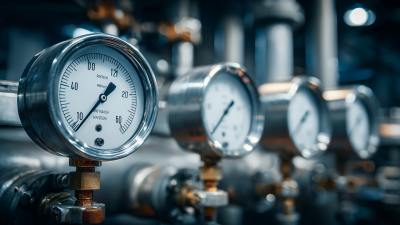
Understanding Pressure Gauges for Water: Key Metrics and Their Importance in Fluid Management
In the realm of fluid management, understanding the intricacies of pressure gauges for water is essential for maintaining efficiency and safety in various applications.
According to a recent industry report by MarketsandMarkets, the global pressure gauge market is projected to reach USD 4.4 billion by 2024, underscoring the importance of precise pressure monitoring in sectors such as water treatment, agricultural irrigation, and industrial processes.
Accurate pressure measurements are crucial not only for operational efficiency but also for safeguarding infrastructure and ensuring compliance with regulatory standards.
With a variety of metrics, including gauge pressure, absolute pressure, and differential pressure, professionals in the field must pay close attention to the specifications and calibration of these instruments to optimize performance and mitigate risks.
Understanding these key metrics equips operators with the knowledge necessary to implement effective fluid management strategies and enhance system reliability.
Understanding Pressure Units: PSI vs. Bar in Water Management
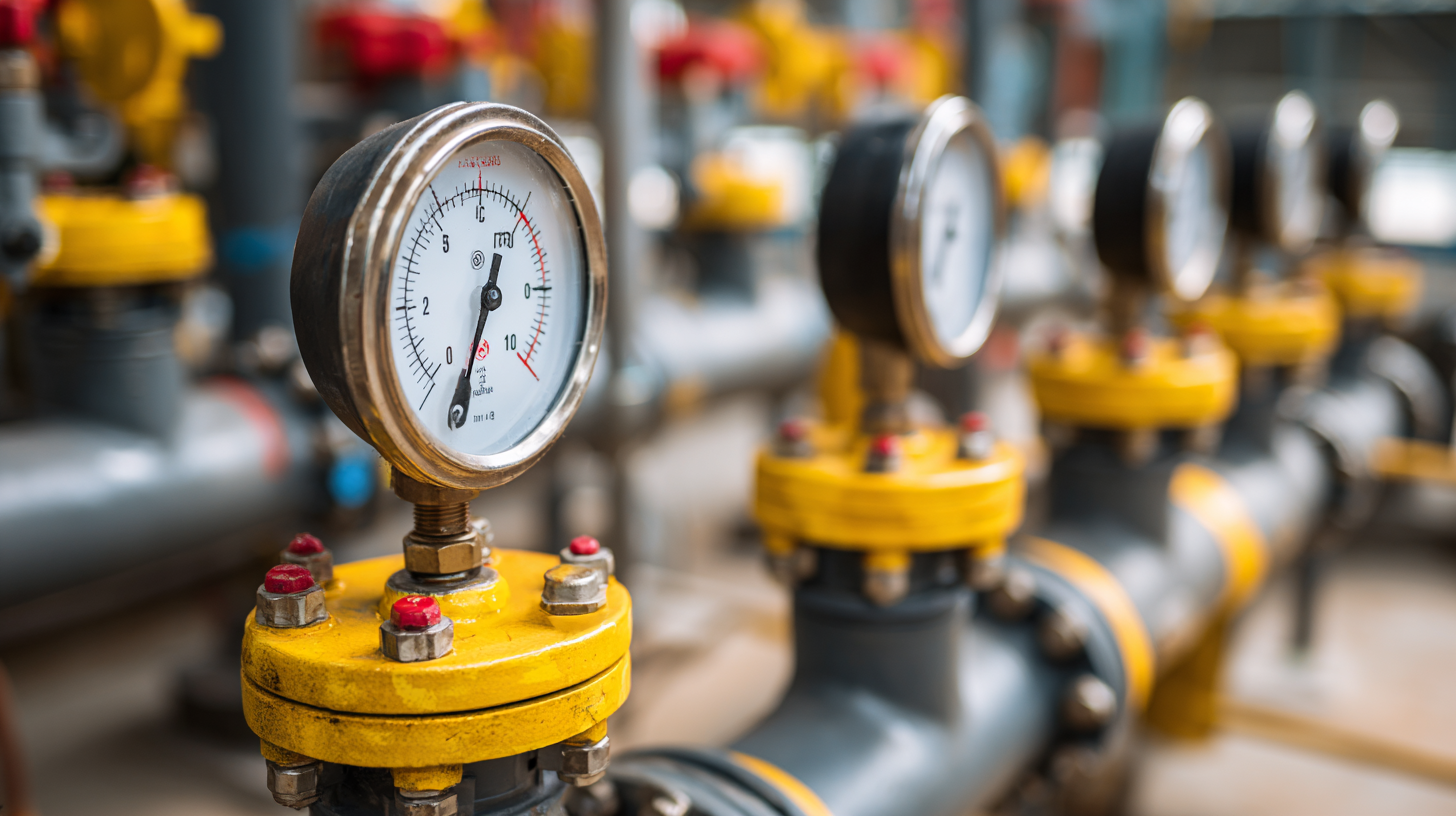
When it comes to managing water systems, understanding pressure units is crucial. Two of the most commonly used pressure units are PSI (pounds per square inch) and bar.
PSI is primarily used in the United States, making it essential for those working with water pressure in American systems. One PSI equals approximately 0.0689 bar, so knowing how to convert between these two units can be beneficial for accurate fluid management.
Monitoring pressure correctly ensures optimal performance of water systems, preventing issues such as leaks or inefficient flow rates. For those dealing with pressure gauges, it is vital to ensure that the gauge is calibrated to the correct unit of measure. This can prevent misinterpretation of pressure readings, which may lead to improper adjustments in water management.
Tip: Always check the pressure requirements of your specific water system and adjust your gauge settings accordingly. Additionally, familiarize yourself with both PSI and bar for broader applicability in various situations. Understanding these metrics can enhance your ability to manage fluid effectively and maintain system integrity.
Optimal Pressure Ranges for Different Water System Applications
When it comes to managing water systems effectively, understanding optimal pressure ranges is crucial. Different applications require specific pressure levels to ensure efficiency and safety. For instance, in residential water supply systems, a pressure range of 40 to 60 psi is typically recommended, as studies from the American Water Works Association indicate that pressures below this range can lead to insufficient water flow, while pressures above can cause pipe damage and leakage.
In agricultural irrigation systems, the ideal pressure can vary significantly depending on the crops being cultivated. Research published by the Irrigation Association suggests that pressures between 30 and 50 psi are appropriate for drip irrigation systems, allowing for optimal water distribution without wastage. Conversely, pressurized sprinkler systems may operate best within 25 to 50 psi, promoting effective coverage while minimizing runoff. By adhering to these optimal pressure ranges, water system managers can not only enhance system performance but also contribute to sustainable water usage practices.
Understanding Pressure Gauges for Water: Optimal Pressure Ranges for Different Water System Applications
This bar chart illustrates the optimal pressure ranges measured in pounds per square inch (psi) for various water system applications. Understanding these metrics is crucial for effective fluid management in ensuring operational efficiency and safety in different settings.
The Role of Calibration in Maintaining Accurate Pressure Gauges
Calibration plays a crucial role in maintaining the accuracy and reliability of pressure gauges used in water management systems. According to the American Society of Mechanical Engineers (ASME), improper calibration can lead to measurement errors of up to 10%, significantly impacting operational efficiency and safety. A properly calibrated pressure gauge ensures that water pressure is monitored accurately, preventing issues such as pipe bursts or equipment failures caused by unexpected pressure fluctuations.
Regular calibration is essential, as environmental factors like temperature changes and mechanical wear can affect gauge performance over time. The International Society of Automation (ISA) recommends that pressure gauges be calibrated at least once a year or more frequently depending on usage conditions and service environments. Additionally, a calibration frequency of every six months is suggested for critical applications where precise pressure readings are vital to operational safety and reliability. By adhering to these recommendations, organizations can enhance their fluid management practices, ensuring optimal performance and prolonging the lifespan of their equipment.
Common Issues Affecting Pressure Gauges and Their Impact on Fluid Systems
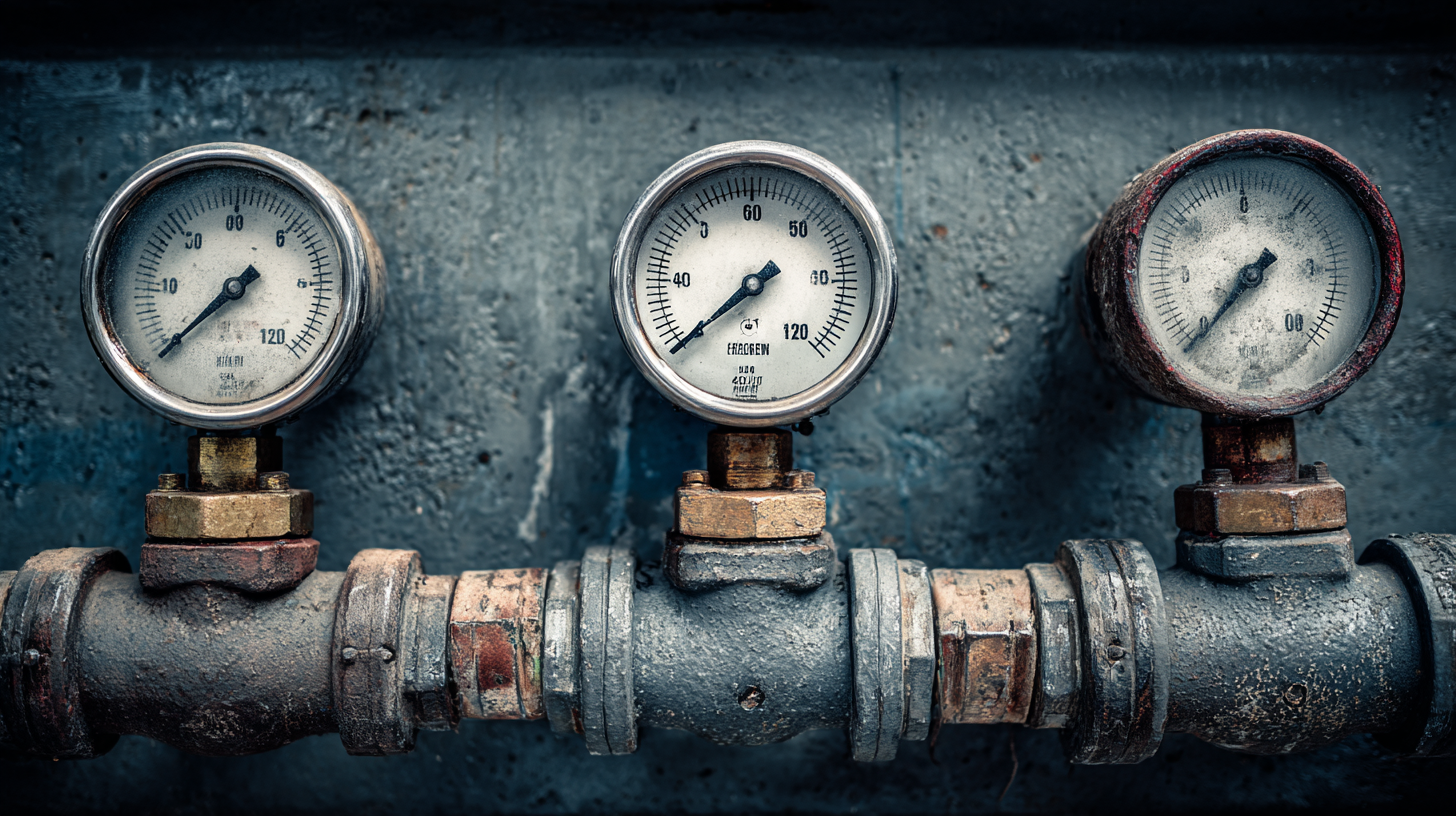 Pressure gauges are critical instruments in fluid management, especially concerning water systems, as they help monitor and maintain appropriate pressure levels.
However, several common issues can affect the accuracy and reliability of these gauges. One significant problem is mechanical wear, which can lead to improper readings due to internal components wearing down over time. Additionally, vibration from pumps or other equipment can cause the gauge to become uncalibrated, leading to erroneous pressure assessments that could compromise fluid efficiency and safety.
Pressure gauges are critical instruments in fluid management, especially concerning water systems, as they help monitor and maintain appropriate pressure levels.
However, several common issues can affect the accuracy and reliability of these gauges. One significant problem is mechanical wear, which can lead to improper readings due to internal components wearing down over time. Additionally, vibration from pumps or other equipment can cause the gauge to become uncalibrated, leading to erroneous pressure assessments that could compromise fluid efficiency and safety.
Corrosion and contamination are other prevalent concerns that can impact pressure gauges. Exposure to harsh environments or chemicals can corrode the gauge’s material, leading to leaks or total failure. Similarly, sediment buildup caused by corrosive elements in water can clog the gauge, hindering its ability to provide real-time and accurate readings.
These issues not only affect the performance of individual components but can also have cascading effects on the entire fluid system, resulting in increased maintenance costs and potential operational hazards. Recognizing and addressing these concerns is essential for optimizing fluid management and ensuring the safety and efficiency of water systems.
Best Practices for Regular Maintenance and Monitoring of Pressure Gauges
Regular maintenance and monitoring of pressure gauges are crucial for effective fluid management, especially in water systems. Accurate pressure readings ensure that systems operate within safe parameters, preventing potential failures and costly repairs. Neglecting pressure gauges can lead to erroneous measurements, resulting in inadequate fluid flow and storage issues. The importance of keeping these gauges in optimal condition cannot be overstated, as they play a vital role in maintaining overall system efficiency.
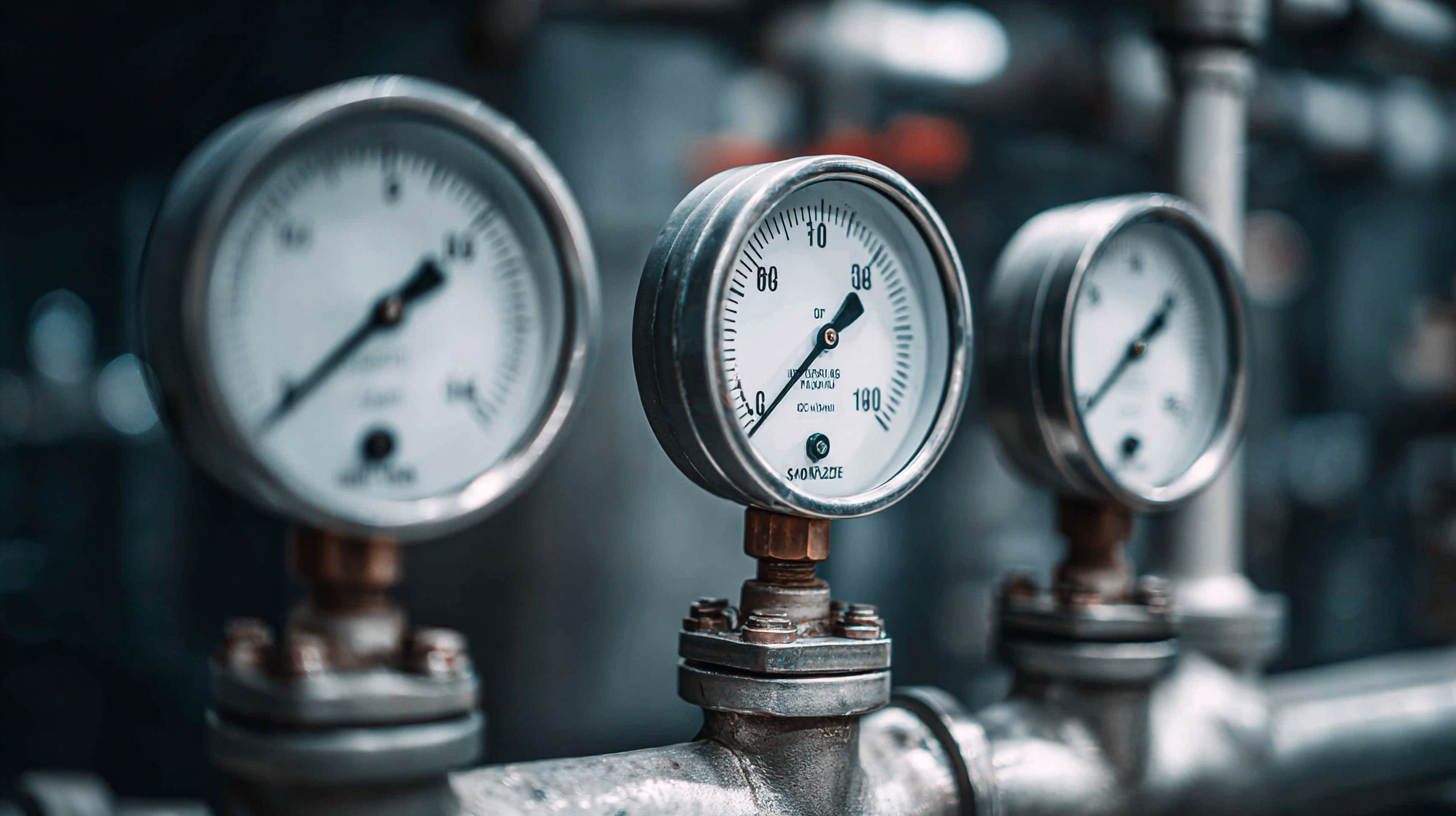
Tips for maintaining pressure gauges include routine inspections to detect any wear or damage, which can compromise their accuracy. It's also advisable to calibrate gauges periodically to ensure precise readings. Furthermore, environmental factors such as moisture and temperature fluctuations can affect gauge performance, so it's important to keep them protected as much as possible. Implementing these best practices will not only enhance the lifespan of your pressure gauges but also optimize your fluid management system. Regular monitoring of readings can alert you to potential issues before they escalate, providing peace of mind in your maintenance approach.