How to Start Home Power Generation in 2026?
As we approach 2026, the landscape of home power generation is evolving rapidly. Reports indicate that the global home energy storage market is expected to hit $20 billion, driven by the increasing demand for renewable energy and energy independence. Many homeowners are now looking to solar panels and wind turbines as viable energy sources, ensuring lower energy bills and reduced reliance on the grid.
However, transitioning to home power generation is not without its challenges. Homeowners need to consider local regulations, installation costs, and maintenance. According to the U.S. Energy Information Administration, solar installations have grown by over 40% annually, yet misconceptions around reliability remain. As we explore the options available in 2026, it is essential to address these concerns and highlight how homeowners can make informed decisions based on their unique situations.
Implementing home power generation may seem daunting, but it often leads to financial and environmental benefits. As technologies innovate and prices decrease, more homeowners will embrace this shift. Balancing personal desires with practical implications is crucial. Each step taken towards energy independence should involve careful research and consideration of individual circumstances.
Understanding Home Power Generation Technologies Available in 2026
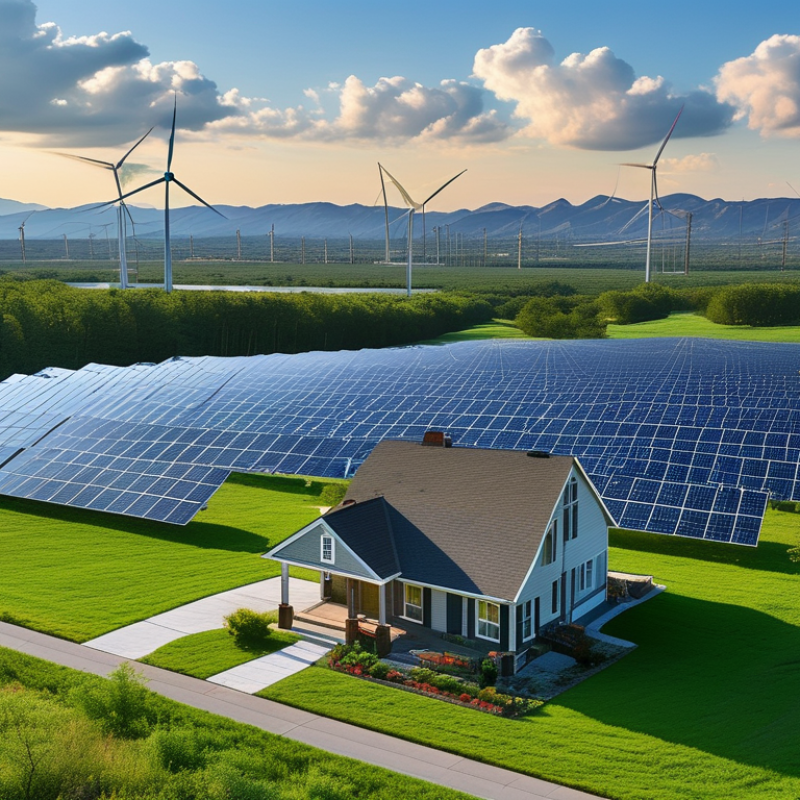
Home power generation is becoming increasingly accessible and efficient. In 2026, various technologies offer exciting opportunities for homeowners. Solar panels remain the most popular choice. They can convert sunlight into electricity, making them a sustainable option. Energy storage systems, like batteries, allow you to store excess power for later use. This is crucial during cloudy days or at night. The combination of solar panels and energy storage creates a reliable power source.
Wind turbines are also gaining traction in residential setups. Small wind generators can harness wind energy, especially in areas with good wind flow. They complement solar power effectively. However, the initial investment might be daunting. Understanding local zoning laws can impact feasibility. Some homeowners might find space constraints challenging, making it essential to plan wisely.
Another option is home microgrids. These systems enable homes to function independently of the traditional power grid. They use multiple energy sources and can enhance resilience during outages. However, managing such systems requires knowledge and attention. Home power generation holds promise, but understanding the technologies and their implications is key to a successful transition.
Home Power Generation Technologies Comparison in 2026
Assessing Energy Needs: How to Calculate Your Home's Power Consumption
When considering home power generation, assessing your energy needs is crucial. Calculate your household's power consumption to determine the right system for you. On average, U.S. households consume about 877 kWh monthly, as reported by the U.S. Energy Information Administration. This equates to approximately 30 kWh per day. Understanding these numbers helps in selecting the appropriate power generation solution for your home.
To calculate your energy needs, list your appliances and their wattage. Multiply the wattage by the number of hours each device runs daily. This will give a clear picture of daily consumption. For instance, a 100-watt bulb used for 5 hours consumes 500 watt-hours. It's essential to factor in seasonal variations, as heating and cooling needs can significantly influence energy consumption.
Pay attention to energy efficiency. Investing in energy-efficient appliances can lower your overall demand. This will reduce the size and capacity of the power generation system you will need. Moreover, monitoring your consumption regularly can help identify unusual spikes. Analyzing these patterns allows for smarter usage and potential savings.
Choosing the Right Home Power Generation System for Your Needs
When choosing a home power generation system, it’s essential to assess your energy needs. Start by calculating your average energy consumption. Look at your electricity bill for insights. Identify peak usage times to understand demand. This analysis provides a foundation for selecting the right system.
Renewable energy options like solar, wind, and hydro are popular. Each has unique benefits. Solar panels thrive in sunny areas. Wind turbines are more suitable for open spaces with consistent winds. Hydro systems can utilize nearby water sources but require specific geographic conditions.
Consider installation and maintenance costs. Initial investments can be high. Research local regulations and permits. Some homeowners face challenges with incompatible setups. Take time to evaluate various systems. A thoughtful approach to selection can lead to significant long-term savings and energy independence. Consult experts for tailored advice. Their expertise can clarify options and reveal overlooked considerations.
Installation and Maintenance Tips for Home Power Generation Systems
When starting a home power generation system, installation is crucial. Choose a suitable location with ample sunlight or wind exposure. Proper alignment and positioning can maximize energy collection. Be mindful of the local climate. Extreme weather can impact your system’s efficiency. Consider potential obstructions, like trees or buildings, that might shade your setup. This initial step is foundational for effective energy generation.
Maintenance shouldn't be overlooked. Regular inspections will help identify wear and tear. Keep panels clean from dust and debris to ensure optimal performance. Check connections and wiring at least twice a year. This will prevent possible energy losses. It is often easy to forget these tasks amidst daily life. Neglect can lead to costly repairs or diminished energy output. Consider using a maintenance log to track these essential checks. Keeping a routine can reduce unexpected issues and enhance reliability.
How to Start Home Power Generation in 2026? - Installation and Maintenance Tips for Home Power Generation Systems
| Aspect |
Details |
| Types of Systems |
Solar Panels, Wind Turbines, Micro Hydro Systems |
| Initial Setup Cost |
$5,000 - $20,000 depending on system type |
| Average Installation Time |
1 - 3 days, varies with system complexity |
| Maintenance Frequency |
Annually for inspections; quarterly for cleanings |
| Common Issues |
Inverter failure, battery degradation, wiring issues |
| Supporting Incentives |
Tax credits, rebates, net metering policies |
| Best Practices |
Regular system monitoring, prompt repairs, professional assistance |
Exploring Financial Incentives and Rebates for Home Power Generation
The push for renewable energy is gaining momentum. Homeowners considering power generation in 2026 should explore available financial incentives and rebates. Various programs exist at local, state, and federal levels. These can significantly reduce the upfront costs of solar panels or wind turbines. By investing in renewable energy, you not only save on electric bills but also contribute to a sustainable future.
Government rebates often cover a percentage of installation costs. Grants for energy-efficient upgrades may also be available. Researching eligibility criteria is crucial since these can vary by location. Always inquire about the latest changes to incentive programs. Keep in mind that documentation is essential for claiming these benefits. Organize your paperwork to streamline the process.
Connecting with financial advisors can offer valuable insights. They can guide you on the most lucrative options available. Additionally, assessing local utility policies may reveal extra savings. Some utilities offer net metering credits. This means you can earn for the surplus energy your system produces. Be prepared for nuances in calculating potential savings and understand that experience varies among homeowners.