10 Thread Rod Buying Tips for Global Buyers
Buying Thread Rod across borders looks straightforward: select a diameter, request a price, and arrange shipment. The real risks hide in thread pitch, steel grade, coating thickness, packaging, and certificates. A supplier may quote M12 rod, but metric coarse thread, fine thread, and UNC are not interchangeable. One small mismatch can stop installation at a construction site.
Market data shows why this decision matters. Fortune Business Insights valued the global fasteners market at about USD 90.7 billion in 2023 and expects continued growth through 2032. Grand View Research also identifies construction and industrial equipment as major demand sectors. These reports describe broad fastener categories, not Thread Rod alone. That limitation deserves attention. Still, they confirm a competitive, international supply chain where specifications must travel accurately between buyer, factory, and installer.
Dr. John H. Bickford, author of An Introduction to the Design and Behavior of Bolted Joints, wrote, “The bolt is not a rigid pin; it is an elastic spring.” His principle applies to threaded rod assemblies too. Tensile strength, preload, embedment, and load direction matter more than appearance. Buyers should compare ASTM, ISO, or DIN requirements; request mill test reports; verify zinc or hot-dip galvanizing details; and inspect bundled rods for bent ends and damaged threads. A clear purchase order should state length, diameter, pitch, grade, finish, tolerance, quantity, packing, and inspection terms. Ten practical buying tips can reduce avoidable errors. They cannot remove every risk. A cheap shipment may become expensive when a 2-meter bundle arrives with the wrong thread standard.
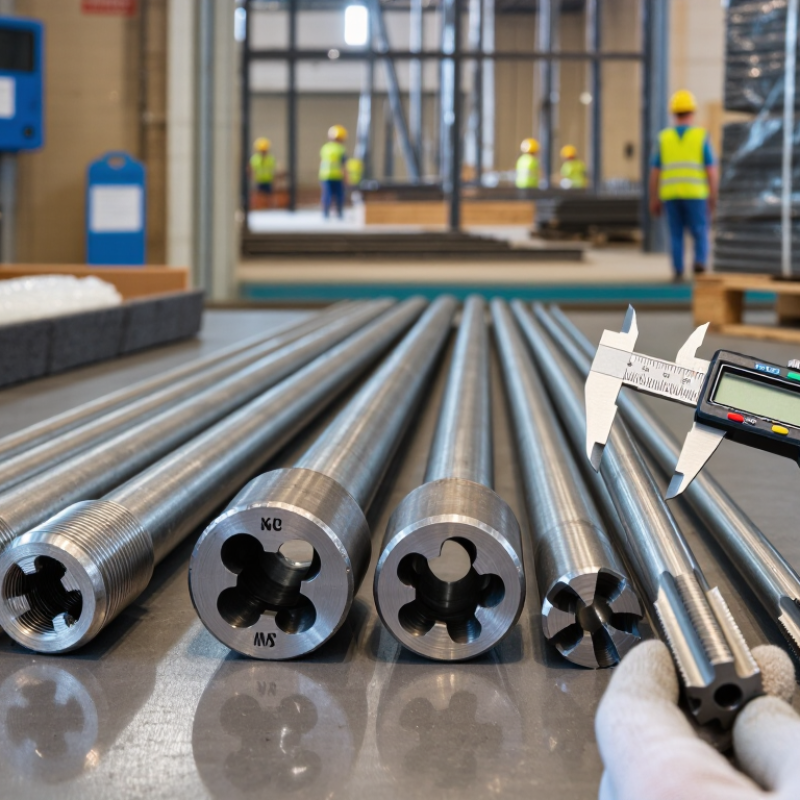
Define Thread Rod Requirements for Your Project
Define Thread Rod Requirements for Your Project
A thread rod order should begin with the load, not the supplier’s catalog. Record the required diameter, overall length, thread length, and connection method. Note whether the rod carries tension, supports equipment, or joins structural components. These details affect the material grade and thread profile.
Specify the thread standard clearly, such as metric or unified threads. Include pitch, tolerance class, and nut compatibility. A small pitch mistake can stop assembly on site. It happens more often than expected. Check drawings against actual nuts, washers, and fixtures before approving production. For outdoor or humid locations, define corrosion protection and coating thickness. Indoor dry service may require a different specification.
Describe the working environment with practical detail. Mention temperature, vibration, chemical exposure, installation direction, and expected service life. A rod near seawater needs stricter protection than one inside a dry warehouse. Request material certificates, dimensional inspection records, and sample photographs when appropriate. Also confirm packaging, labeling, quantity tolerance, and delivery lengths. These points seem minor. They can prevent costly sorting and rework. One imperfect assumption deserves attention: a familiar diameter does not guarantee sufficient capacity. Have a qualified engineer verify the design loads, safety factors, and applicable standards before purchasing.
Compare Materials, Grades, Sizes, and Thread Standards
10 Thread Rod Buying Tips for Global Buyers
Material selection should match the environment, load, and installation method. Carbon steel suits many indoor structural applications, while stainless steel performs better in damp or corrosive areas. Grade matters more than appearance. Check the required tensile strength, yield strength, and elongation against standards such as ISO 898-1. Common metric grades include 4.6, 8.8, and 10.9. Stainless grades, such as 304 and 316, need separate verification because corrosion resistance and strength can differ.
Measure diameter and length carefully. A 10 mm rod is not interchangeable with a 3/8-inch rod. Select coarse or fine threads according to assembly needs. Coarse threads tolerate minor dirt and damage, while fine threads can offer better adjustment. Confirm whether the drawing requires metric, UNC, UNF, or another thread standard. Thread pitch must match the nut exactly. It sounds obvious. Mistakes happen.
Review surface treatment before ordering. Zinc coating, hot-dip galvanizing, and plain finishes behave differently during installation. Coating thickness may affect thread fit, especially with galvanized rods. Ask for dimensional inspection records, material certificates, and mechanical test reports. Confirm straightness, cut-end quality, packaging, and lot traceability. I once underestimated packaging quality; bent rods created avoidable installation delays. Sampling a small shipment before full production is wiser than trusting photographs alone. Suppliers should explain tolerances clearly, not hide behind general claims.
Verify Quality, Certifications, and Manufacturing Consistency
Global buyers should treat a thread rod as a traceable engineered component, not a commodity. Ask for the material grade, diameter, pitch, thread tolerance, heat number, and applicable standard. For structural applications, compare test results with ASTM F1554 or ISO 898-1 requirements. Request tensile, yield, elongation, hardness, and dimensional reports from the actual production lot. A generic certificate is weak evidence. The ISO Survey 2022 recorded about 1.26 million ISO 9001 certificates worldwide, yet certification alone cannot prove product conformity. Verify the certificate number, scope, issuing body, and validity directly.
Inspect manufacturing consistency through three recent lots, not one attractive sample. Check thread gauges, straightness, cut-end condition, plating thickness, and visual defects. Require calibrated equipment records and laboratory accreditation, preferably to ISO/IEC 17025. Ask how nonconforming rods are isolated, reworked, and documented. A factory should explain corrective action without vague promises. For corrosion exposure, review coating methods and ASTM B117 salt-spray results. Remember, salt spray is comparative, not a service-life prediction. That distinction is often missed.
Before shipment, use an independent inspection plan with sampling levels, photographs, packaging checks, and sealed reference samples. Match carton labels to heat numbers and packing lists. Review change-control records for steel mills, dies, coatings, and subcontractors. World Steel Association data reported 1.89 billion tonnes of crude steel production in 2023; large supply does not guarantee stable rod quality. Keep retained samples and record installation observations from the first delivery. One honest failure review may reveal more than a polished audit.
10 Thread Rod Buying Tips for Global Buyers — Verify Quality, Certifications, and Manufacturing Consistency
Compare the minimum nominal tensile and yield strengths of common ISO 898-1 property classes. Buyers should match the required class with the purchase specification and verify mill certificates, heat numbers, chemical composition, mechanical test results, dimensions, thread gauges, coating, and batch consistency.
Reference basis: ISO 898-1 property-class requirements for carbon and alloy steel fasteners. Values are minimum nominal tensile strength and minimum yield strength, measured in MPa; actual threaded-rod requirements may also depend on diameter, product standard, heat treatment, and application.
Evaluate Suppliers, Pricing, Packaging, and Delivery Terms
Global buyers should evaluate thread rod suppliers beyond the quoted unit price. Ask for material certificates, tensile results, coating thickness, and batch traceability. Check whether production capacity matches your required monthly volume. Request recent inspection records, not only polished samples. Compare at least three offers using the same diameter, grade, finish, tolerance, and thread length. A cheaper quote may hide weaker steel or incomplete testing.
Packaging affects both damage rates and landed cost. Confirm rod length, bundle weight, separators, edge protection, moisture barriers, and pallet specifications. Specify barcode labels and packing lists for every bundle. UNCTAD’s Review of Maritime Transport 2024 reports that more than 80% of global merchandise trade by volume moves by sea, so salt air exposure deserves attention. Ask suppliers to provide container-loading photos. Small gaps can become expensive problems.
Delivery terms must be written precisely. Clarify the Incoterm, named place, export documents, insurance responsibility, and demurrage exposure. Calculate the full landed cost, including inland transport, duties, inspection, and port charges. The World Bank’s 2023 Logistics Performance Index evaluates customs, infrastructure, tracking, and timeliness, each on a one-to-five scale. Use these categories when judging a supplier’s logistics evidence. Require milestone updates before production, before loading, and after departure. Keep a written escalation plan. It may feel excessive. It is not always enough. I would also allow schedule space for port congestion, because optimistic delivery promises often fail under real shipping conditions.
Manage Global Orders, Customs, Inspection, and After-Sales Support
10 Thread Rod Buying Tips for Global Buyers
Manage Global Orders, Customs, Inspection, and After-Sales Support
Global thread rod purchasing needs more than a low unit price. Confirm diameter, length, thread pitch, steel grade, surface finish, and packaging before placing an order. Request a signed specification sheet. It should match the purchase contract and commercial invoice. Small differences can cause customs delays or installation problems.
Prepare accurate documents early. The packing list should show carton counts, net weight, gross weight, and product dimensions. Check the tariff classification with a qualified customs adviser in the destination country. Do not rely on assumptions. Specify the agreed delivery term, inspection point, payment milestones, and responsibility for transport damage. Wooden pallets may also require approved treatment documents.
Inspection should combine records and physical checks. Ask for production samples, thread gauges, coating measurements, and tensile test reports when required. A third-party inspection can verify quantity, marking, packaging, and random dimensions before shipment. Photograph sealed cartons and container loading. We once focused heavily on appearance and missed a thread-length variation, so our later checklist became stricter. It still needs review.
After-sales support depends on traceability. Record batch numbers, inspection photos, shipping seals, and delivery dates. Define a response period for shortages, incorrect dimensions, or damaged cartons. Ask how replacement parts or credits will be handled across borders. Keep evidence clear and factual. Some claims look simple, but poor photos create weeks of unnecessary discussion.