3295 Cobb International Blvd. Kennesaw, GA 30152 800-367-1377 sale@patiostools.com

Product Variation:

Top 10 Diaphragm Seal Suppliers for Global Buyers

Choosing a diaphragm seal supplier is not a catalog-only decision. These components help isolate pressure instruments from corrosive, viscous, hot, or particle-laden process media. A mismatch in materials, connection type, or temperature range can affect measurement reliability. Small details matter.

This guide introduces ten suppliers for global buyers to compare. It focuses on practical factors: product range, material options, customization, documentation, delivery reach, and technical support. Buyers can use these points to prepare clearer questions before requesting quotations. For example, confirm the process fluid, operating pressure, temperature, mounting arrangement, and required instrument connection. A supplier should be able to discuss these conditions, not just send a price.

There is no universal best choice. A company suited to a food-processing line may not fit a chemical plant or a remote water facility. Verify specifications directly with manufacturers, and review current certificates and product data for the exact model. Availability and service coverage can change by region. That part is easy to overlook.

The ranking is a starting point, not a substitute for engineering review. Some comparisons may also depend on information buyers can verify only during a quotation or technical discussion. Use the shortlist to narrow options, then check compatibility and support before committing. A careful second look is worthwhile.
Top 10 Diaphragm Seal Suppliers for Global Buyers

What Diaphragm Seals Are and How They Work

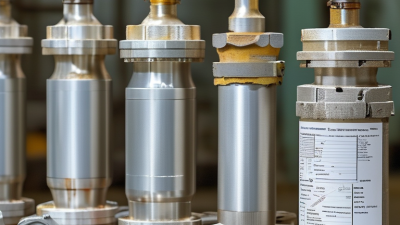
A diaphragm seal isolates a pressure instrument from the process fluid while transmitting pressure through a sealed fill fluid. Process pressure flexes a thin metal diaphragm; the fill fluid carries that movement to a gauge or transmitter. In practice, the seal may sit directly on a vessel nozzle or connect through a short capillary. That small space matters. Trapped air, unsuitable fill fluid, or a poorly matched diaphragm can distort readings, especially when temperature changes.

Selection depends on more than pressure range. Engineers check process temperature, fluid compatibility, diaphragm material, connection type, and response time. The NACE International IMPACT study estimated global corrosion costs at US$2.5 trillion annually, or 3.4% of global GDP. That figure is not a diaphragm-seal performance claim, but it shows why isolating instruments from corrosive media can matter in industrial measurement.

A seal cannot fix every measurement problem. It may also slow response, particularly with long capillaries or viscous fill fluids.

Field checks should include zero stability and signs of leakage. Small installation errors can become meaningful measurement errors.

Key Criteria for Evaluating Diaphragm Seal Suppliers

Key Criteria for Evaluating Diaphragm Seal Suppliers

A diaphragm seal is only as reliable as its fit with the process. Check wetted materials against the actual fluid, cleaning chemicals, temperature, and pressure—not just the product’s headline rating. Ask for material certificates, pressure-temperature limits, fill-fluid details, and documented compatibility guidance. For corrosive or viscous service, confirm diaphragm geometry and connection design; a narrow passage can trap residue. Small details matter. ISO 9001:2015 offers a useful quality-management benchmark, but certification alone does not prove that a supplier’s seal suits your application.

Request calibration records and traceability for the assembled seal-and-instrument system, rather than accepting sensor data alone. NIST Technical Note 1297 explains reporting measurement uncertainty and commonly uses a coverage factor of k=2, corresponding to roughly 95% coverage under stated assumptions. That makes uncertainty documentation a practical comparison point. Also review response time, allowable temperature effects, inspection steps, and lead-time commitments. Ask how the supplier handles custom capillaries and remote mounting; small routing differences can affect installation and response. A tidy datasheet is not enough. In practice, specifications may still leave gray areas, so request a written review of operating conditions and acceptance criteria before ordering.

Profiles of 10 Diaphragm Seal Suppliers for Global Buyers

Profiles of ten diaphragm seal suppliers should reveal more than product range. Buyers need to compare wetted materials, pressure limits, connection types, and filling-fluid options. These details matter when a seal faces hot process lines, sticky media, or corrosive cleaning cycles. Ask whether suppliers provide drawings, calibration records, and clear lead-time estimates. Small gaps here can delay installation.

MarketsandMarkets estimated the global pressure-transmitter market at USD 3.8 billion in 2023 and projected USD 4.8 billion by 2028. This broader market is not a diaphragm-seal forecast, but it signals continued demand for dependable pressure measurement.

A useful supplier profile should therefore show application experience, testing methods, and support across regions—not just catalog breadth. Compare response times and spare-part access, too. They matter later. One weakness in many comparisons is relying on headline pressure ratings without checking temperature, vacuum, or process-fluid compatibility. That deserves a second look.

Comparing Supplier Capabilities, Products, and Service

A useful comparison of diaphragm seal suppliers starts with the process, not the catalog. Check whether each supplier offers suitable wetted materials, pressure and temperature ranges, connection styles, and fill fluids. Ask for dimensional drawings before ordering. A seal that looks right online may not fit an existing flange or instrument.

Details matter. Product breadth is only one measure of capability. Some applications need a compact threaded seal; others require a remote capillary, flushing ring, or sanitary connection. Request clear guidance on chemical compatibility and temperature effects. If the answer is vague, treat that as a reason to verify the design with your instrument engineer.

Service can separate similar products. Compare response times, drawing support, calibration documentation, order tracking, and replacement-part availability. Ask how the supplier handles custom builds and what information they need to quote accurately. Fit is not everything. Lead time and export packaging also affect project planning, especially when equipment is headed to a distant site. No comparison is perfect: published specifications may omit practical limits, and a fast reply does not guarantee dependable support. Share actual process conditions and installation details, then assess each supplier’s response against the same checklist.

Top 10 Diaphragm Seal Suppliers for Global Buyers - Comparing Supplier Capabilities, Products, and Service Brand-neutral buyer comparison framework. The entries below compare common supplier capabilities, not named companies or a verified supplier ranking; availability and specifications vary by manufacturer.
Comparison Area Common Product or Service Capability What Global Buyers Should Verify
1. Seal configurations Common configurations include threaded, flanged, sanitary, and in-line diaphragm seals. Confirm process connection standard, size, pressure class, and instrument connection compatibility.
2. Diaphragm materials Material options may include stainless steels and corrosion-resistant alloys; suitability depends on the process medium and operating conditions. Request material specifications and verify compatibility with the process fluid, concentration, temperature, and cleaning method.
3. Seal body materials Wetted parts can be offered in different metals or, for some designs, protective linings or coatings. Check which surfaces contact the process and whether the proposed material is supported by application-specific compatibility data.
4. Process connections Products may support threaded connections, flanges, sanitary connections, or customer-specified connection arrangements. Confirm the applicable dimensional standard, facing, gasket arrangement, and required documentation for the destination market.
5. Temperature and pressure limits Operating limits depend on the seal design, materials, fill fluid, instrument, and process connection; they are not universal ratings. Obtain the rated limits for the complete instrument-and-seal assembly at the intended operating conditions.
6. Fill-fluid selection Remote-seal assemblies use a fill fluid to transmit pressure; available choices depend on temperature, accuracy, and process requirements. Confirm fill-fluid compatibility, temperature range, instrument elevation effects, and any process or regulatory restrictions.
7. Remote capillary assemblies Many suppliers can configure diaphragm seals with capillaries for remote mounting; capillary length and routing affect response and performance. Specify length, protection, ambient conditions, mounting arrangement, and the required response or measurement performance.
8. Specialized designs Flush, extended-diaphragm, and sanitary designs are available for applications such as viscous, crystallizing, or hygienic processes. Match the design to the process hazard, cleanability needs, dead-space constraints, and applicable industry requirements.
9. Quality and compliance documents Documentation may include material certificates, inspection records, calibration documents, and declarations required for a project. Identify required standards and documents in the inquiry; confirm scope, traceability, language, and delivery format before ordering.
10. International service and delivery Global sourcing may involve export packing, international shipping, local technical support, and region-specific service arrangements. Confirm delivery terms, lead time, spare-parts availability, warranty coverage, service location, and import documentation.

Factors to Consider When Choosing a Global Supplier

For global diaphragm seal buyers, supplier choice begins with the process, not the catalogue. Confirm the wetted material, fill fluid, pressure range, temperature limits, and connection dimensions. A seal exposed to viscous slurry may need a flush design; a compact food-process line may need a different geometry. Ask for drawings and pressure-temperature limits tied to the exact assembly. Small details matter.

Quality evidence deserves close attention. The International Organization for Standardization’s ISO Survey 2022 recorded more than 1.26 million valid ISO 9001 certificates worldwide. That scale shows how common quality-system certification is, but a certificate alone cannot prove seal performance. Request material certificates, traceable calibration records, inspection criteria, and documented change control. Ask how the supplier handles weld inspection and fill-fluid selection. Then check whether sample documents match the parts you will actually receive.

Delivery and technical support can be harder to judge. The World Bank’s Logistics Performance Index 2023 assesses countries on customs, infrastructure, and shipment timeliness, useful context for cross-border lead times. Still, country scores do not predict one supplier’s delivery record. Seek written lead-time commitments, spare-part availability, and a named contact for sizing questions. Test the response with a real operating condition. It may reveal gaps. I would also ask about failure feedback; suppliers do not always share enough, and that deserves scrutiny.

Factors to Consider When Choosing a Global Diaphragm Seal Supplier

Example evaluation scores on a 1–5 scale. These illustrative scores are not ratings of specific suppliers; assess each factor against your application and verify the supporting documentation.