Top Micro Sprinkler Irrigation Systems for Sale?
Choosing among the Top Micro Sprinkler Irrigation Systems for Sale starts with understanding the field, not the product label. Micro Sprinkler Irrigation applies water through small, low-pressure emitters, but coverage and performance vary. Soil texture, wind, crop spacing, water quality, and available pressure all matter. A system that works well beneath young trees may not suit a densely planted vegetable bed.
The stakes are significant. FAO’s 2021 report, The State of the World’s Land and Water Resources for Food and Agriculture, estimates that agriculture accounts for about 72% of global freshwater withdrawals. That figure describes the wider challenge; it does not mean every farm can reduce water use by buying a particular sprinkler. Actual results depend on design, maintenance, scheduling, and local conditions. Small details count. A clogged nozzle or uneven pressure can leave dry patches beneath otherwise healthy plants.
This guide will compare systems by practical factors: wetted diameter, flow rate, pressure range, filtration needs, materials, and installation flexibility. It will also distinguish manufacturer specifications from field-tested evidence, where available. Look closely at replacement parts and cleaning access; these details become important after a season of mineral buildup. The comparison cannot replace a site assessment, and that limitation deserves attention. Use it to narrow options, then check each model against your water source, crop layout, and operating budget.
What Micro Sprinkler Irrigation Systems Are and How They Work
Top Micro Sprinkler Irrigation Systems for Sale?
What Micro Sprinkler Irrigation Systems Are and How They Work
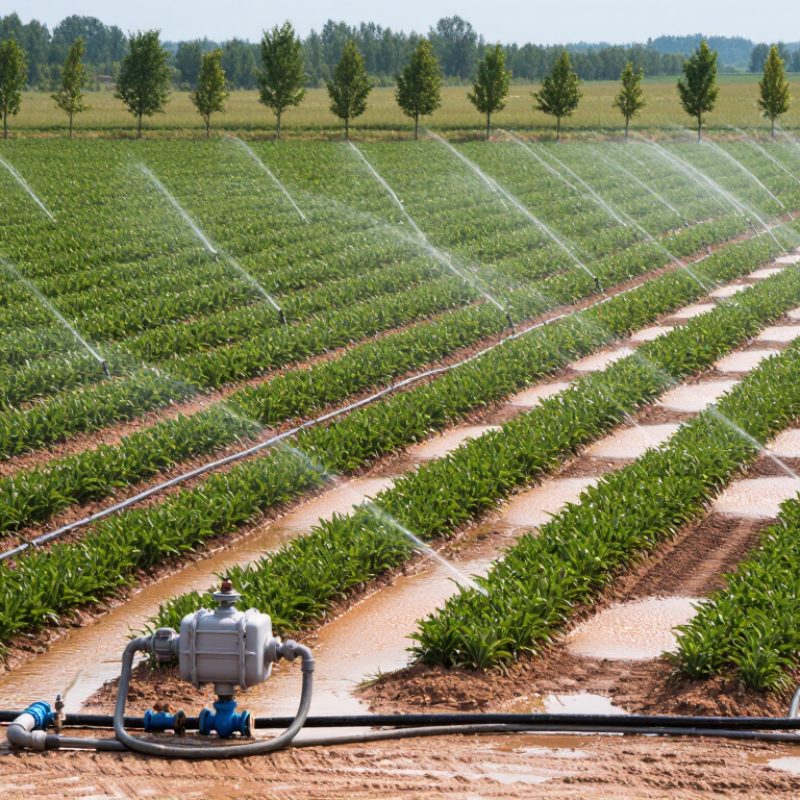
Micro sprinkler irrigation systems deliver water through small spray heads connected to narrow tubing. A filter helps keep particles from clogging the nozzles. Water then travels through the lines and sprays over a limited area, often around shrubs, garden beds, or young trees. Coverage depends on nozzle flow, operating pressure, spacing, and wind. The droplets are larger than mist, but lighter than water from many conventional sprinklers. Small parts matter.
A typical setup includes a water source, filter, tubing, connectors, and micro sprinklers. Some heads rotate; others spray in a fixed pattern. Choose spacing based on the plants’ mature size and the soil’s ability to absorb water. Sandy soil may need shorter, more frequent watering, while heavier soil can absorb water more slowly. A system can still leave dry patches if heads are poorly placed. Check the pattern while it runs.
Tips: Flush the lines before installing nozzles, then watch the spray on a calm day. Look for blocked heads, leaks, and uneven wetting. Adjust placement or run time as needed; a neat diagram cannot account for every slope or gust. Recheck after plants grow.
Main Components of a Micro Sprinkler System
A micro sprinkler system depends on several parts working together. The water source feeds a pump or pressurized line, while a filter catches grit that could block small outlets. Even fine sand can cause uneven spray. A pressure regulator helps keep flow within the range recommended for the sprinkler heads.
Main tubing carries water through the planting area. Smaller connector tubes branch off toward individual heads, secured with stakes or fittings. The micro sprinklers distribute water over a limited radius, so their spacing should match plant size and soil conditions. Check the edges of each spray pattern; a dry strip between plants can be easy to miss. Small parts matter.
Valves control sections of the system, and a timer can automate watering when needed. These additions are useful, but they do not replace inspection. Flush the lines during setup, then check filters and connections regularly for sediment, leaks, or loose tubing. Clogs are quiet. A head may look fine while delivering very little water, so observing the soil after a cycle is a practical test. Flow can vary with pressure and layout, and no design stays perfect without occasional adjustment.
Top Micro Sprinkler Irrigation Systems for Sale? Main Components of a Micro Sprinkler System
This chart shows a typical water flow path: water passes through filtration and pressure regulation before moving through distribution tubing to the micro-sprinklers. A pump may be needed depending on the water source and system requirements. The step numbers show sequence, not flow rate or product performance.
Common Micro Sprinkler Types and Their Applications
Micro-sprinklers differ in spray pattern, droplet size, and mounting position. Stake-mounted spot sprayers wet a small circle around young trees, shrubs, or individual greenhouse pots. Mini-jets throw a broader stream, making them useful beneath fruit-tree canopies and across nursery beds. Inverted models hang from greenhouse lines and direct water downward, while low-angle heads can reduce wind drift around sensitive crops. Small details matter. A blocked nozzle can leave one plant visibly dry while its neighbors look healthy.
FAO’s 2021 report, The State of the World’s Land and Water Resources for Food and Agriculture, estimates that agriculture accounts for about 72% of global freshwater withdrawals. That figure is not a promise of savings from any sprinkler; actual use depends on design, maintenance, soil, and scheduling. Micro-sprinklers can suit sandy soils, where water may move quickly below shallow roots, but overly wide spacing can create dry patches. Check the wetted diameter in the field, not just on a product sheet. Even a neat layout can disappoint when wind shifts or foliage blocks the spray. A little unevenness is easy to miss.
How to Compare Micro Sprinkler Systems for Sale
Top Micro Sprinkler Irrigation Systems for Sale?
When comparing micro sprinkler systems for sale, look beyond the number of heads in the box. Check each head’s flow rate, recommended operating pressure, and spray radius. These figures show whether a system can cover your beds without leaving dry patches or soaking paths. A listed radius is only a guide; wind, plant height, and nozzle placement can change the pattern.
Match the system to your water supply and growing area. A small pump or long, narrow tubing may not maintain even pressure across many sprinklers. Compare filter requirements, connector sizes, and replacement nozzle availability, too. Fine openings can clog when water carries sediment, so filtration matters. For sloped ground, test the layout carefully; water may distribute unevenly. A tidy product chart can still hide practical limitations.
Tips: Sketch your beds and measure their width before shopping. Check one zone with a pressure gauge, then observe spray overlap on a calm day. Test before scaling. Note wet and dry spots, and adjust spacing rather than assuming every head performs exactly as advertised. Allow room to flush tubing and access filters. Some trial and error is normal.
Installation, Maintenance, and Water-Efficiency Considerations
Top Micro Sprinkler Irrigation Systems for Sale?
When comparing micro sprinkler systems, match nozzle flow and wetted radius to plant spacing, soil, and water pressure. A wide spray may miss roots or wet paths. Install a filter and pressure regulator, then check the manufacturer’s pressure range before buying. FAO AQUASTAT estimates agriculture accounts for about 70% of global freshwater withdrawals, making careful irrigation design important. But a micro sprinkler does not save water automatically; wind, leaks, and poor scheduling can erase gains.
For installation, test each zone with catch-cans and look for uneven coverage around trunks and bed edges. Keep spray clear of foliage where possible. Clean filters regularly, flush lateral lines, and inspect nozzles for grit or mineral buildup. The U.S. EPA notes that outdoor use can exceed 30% of household water use, so a timer adjusted to local weather can help avoid unnecessary watering. A tidy layout can still waste water. I would check coverage again after plants grow; the first layout may not stay right.
Tips: Run the system briefly, then inspect the soil several inches below the surface. Adjust runtime if it is dry or soggy. Check for clogged emitters after dusty or windy days.