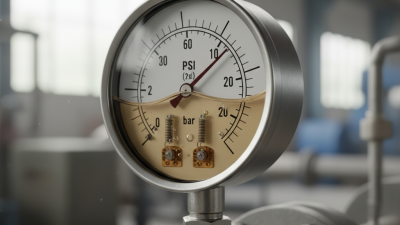
How to Use HVAC Gauges for Efficient System Diagnostics?
HVAC gauges are essential tools for diagnosing heating, ventilation, and air conditioning systems. Understanding how to use them efficiently can lead to quicker and more accurate assessments of system performance. Many technicians overlook the nuances, resulting in missed opportunities for improvement.
When measuring pressure for the refrigerant, accuracy is crucial. Incorrect readings can lead to faulty conclusions. Technicians should be familiar with the nuances between high and low side pressures. Small variations can indicate bigger problems within the system.
However, using HVAC gauges is not always straightforward. Each system has unique characteristics, and misinterpretations can occur. Technicians must be diligent in their approach. Rushing through readings may lead to errors. Taking the time to understand the correct procedures will enhance diagnostic accuracy significantly. Thus, mastering HVAC gauges is a journey worth undertaking for every technician.
Understanding HVAC Gauges and Their Functions
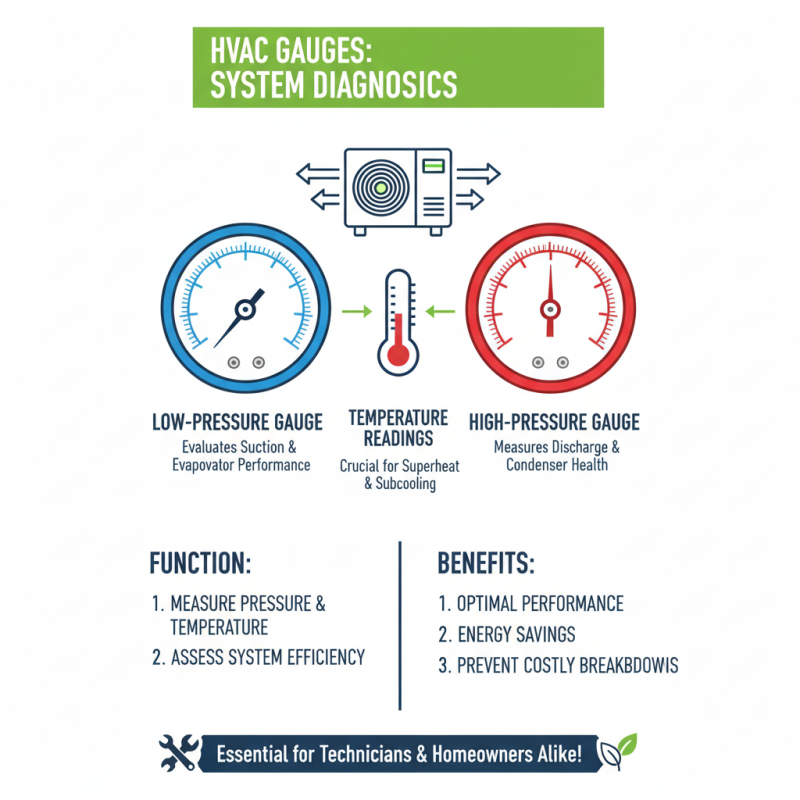
Understanding HVAC gauges is essential for effective system diagnostics. These tools measure pressure and temperature in various HVAC systems. High and low-pressure gauges are commonly used. They help technicians evaluate if systems are running efficiently. This is crucial for both performance and energy savings.
Each gauge has specific functions. The high-pressure gauge indicates the pressure in the compressor. A reading too high may suggest a blockage or overcharge. Conversely, the low-pressure gauge measures suction pressure. A low reading could indicate a leak or refrigerant shortage. Technicians must know how to interpret these values.
Using gauges requires practice. New technicians might struggle to read them accurately. Misinterpretations can lead to incorrect diagnoses. For example, a normal pressure reading could be misread during peak load times. Regular training on gauge use is necessary to avoid such mistakes. Developing a keen eye for fluctuations in readings takes time. Observing real-world scenarios is invaluable.
Types of HVAC Gauges and Their Applications
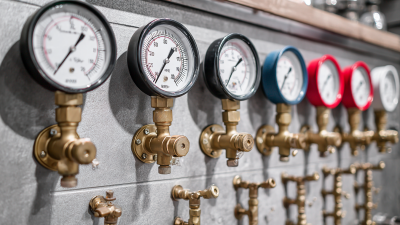
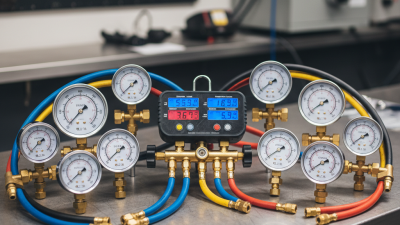
HVAC gauges are essential for diagnosing heating, ventilation, and air conditioning systems. There are different types of gauges, each serving specific purposes. The most common are manifold gauges. They measure refrigerant pressure and provide insights into the system's health.
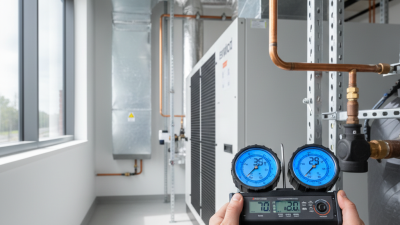
Digital gauges are gaining popularity due to their accuracy. They display precise readings, which can help technicians make informed decisions. However, these tools can be expensive. Many HVAC professionals still rely on analog gauges, which are simpler but require careful reading.
Tips: Always check for leaks before taking measurements. A small leak can skew your results. Keep your gauges calibrated for the best accuracy. It’s easy to overlook this step.
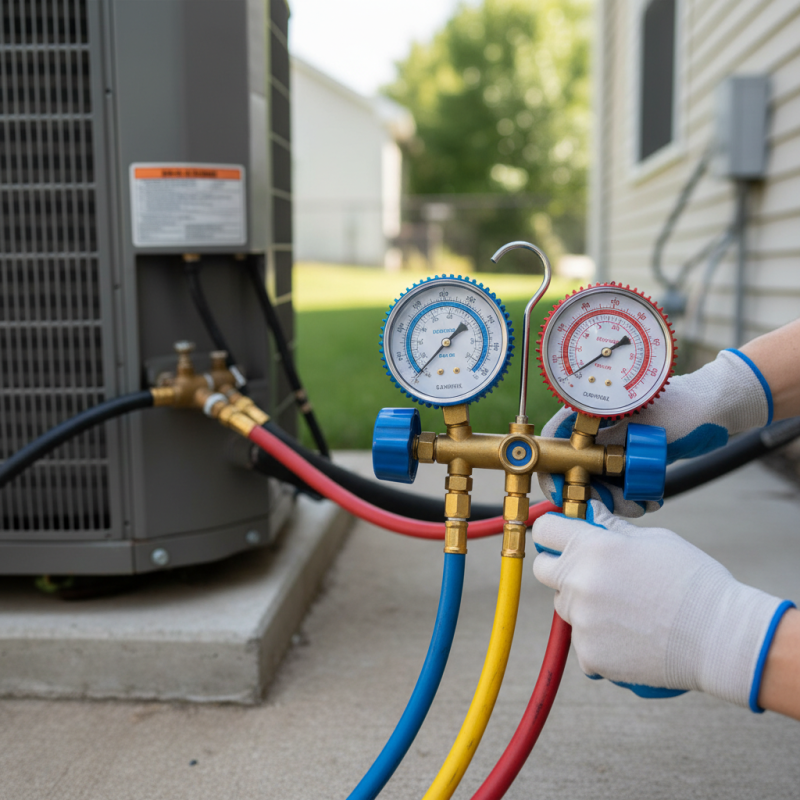
Manifold sets typically come with color-coded hoses. The blue hose connects to the low-pressure side, while red connects to the high side. Misconnecting these hoses can lead to confusion. Take a moment to double-check your connections. This small step can prevent misdiagnoses and save time.
Steps to Properly Connect HVAC Gauges
Connecting HVAC gauges correctly is essential for
accurate diagnostics. Start by ensuring that the system is off. This prevents any sudden
pressure changes. Next, identify the service port on the HVAC unit. Each system has specific
locations for high and low-pressure ports. Use the correct fittings to avoid leaks.
Once the gauges are attached, check for any signs of wear on hoses. Damaged hoses may lead to inaccurate readings.
Open the valve on the low-pressure side first. This allows refrigerant to enter the gauge set.
Monitor the readings closely and take notes. It’s easy to misread a dial under pressure, so stay focused.
After gathering the measurements, disconnect the hoses in the reverse order. Always vent any
remaining refrigerant safely. Reflect on the data collected. Did it match your expectations?
Consider potential causes for discrepancies. This practice can enhance your skills and lead to
better diagnostics in the future.
Interpreting HVAC Gauge Readings for Diagnostics
Interpreting HVAC gauge readings is critical for system diagnostics. Gauges provide vital information about pressure levels in both the refrigerant and air systems. Understanding these readings helps identify issues before they become serious problems. For instance, if the low-pressure gauge shows an abnormally low reading, it might indicate insufficient refrigerant. This could lead to compressor damage if not addressed.
Conversely, a high-pressure reading may signal a blockage in the system. In such cases, technicians should carefully examine the filters and coils. Even small obstructions can lead to significant inefficiencies. It's essential to approach each reading with a clear mind, avoiding assumptions. Sometimes, a reading might be misleading due to temporary fluctuations.
Observation is key. Compare the readings with standard operating pressures for the specific system. Use a reference chart if available. Gathering accurate data requires attention to detail. Mistakes happen, and they can result in incorrect diagnoses. Always verify readings before concluding. Documentation plays a crucial role in tracking performance over time.
How to Use HVAC Gauges for Efficient System Diagnostics
| Parameter |
Normal Range |
Low Pressure Readings (psi) |
High Pressure Readings (psi) |
Interpretation |
| Suction Pressure |
20 - 30 |
15 |
- |
Refrigerant undercharge or system leak |
| Discharge Pressure |
200 - 300 |
- |
220 |
Normal operation |
| Superheat |
10 - 20 |
- |
30 |
System overcharge or insufficient airflow |
| Subcooling |
10 - 15 |
- |
10 |
Normal operation |
| Temperature Split |
16 - 22°F |
- |
25°F |
Insufficient airflow or dirty coils |
Common Troubleshooting Techniques Using HVAC Gauges
HVAC gauges are essential tools for diagnosing system issues. Understanding pressure readings can reveal many problems. Low refrigerant levels? Check the suction pressure gauge. High pressure? It might indicate a blocked line or a malfunctioning component. Small leaks can be tricky. Often, they require careful surveillance and testing. A small drop in pressure can mean big trouble.
Troubleshooting often means looking at both sides: high and low pressure. A fluctuating high-pressure reading might indicate an issue in the compressor or airflow. On the low-pressure side, monitor the temperature. A significant deviation can point to inefficiencies, which are easy to overlook. It’s crucial to know the expected ranges to make accurate decisions.
Sometimes, the gauges may show normal readings, yet the system still underperforms. This can lead to frustration. Reassessing connections and airflow may uncover hidden problems. Even if it’s tedious, a systematic approach often pays off. Not every issue is clear-cut. Experience is key. Over time, patterns emerge. Learning to read these signs is part of the diagnostic journey.