Why Is Sustainable Pulp and Paper Sourcing Important?
Sustainable pulp and paper sourcing matters because every sheet begins with a forest, a mill, and a chain of decisions. Those decisions affect biodiversity, water quality, carbon storage, and local communities. They also influence whether customers can trust a product’s environmental claims.
A procurement manager may see the difference in ordinary details: certified wood chips, recycled fiber, cleaner bleaching systems, and verified supplier records. A responsible mill can trace fiber back to managed forests or legitimate recycled sources. It can measure energy use, wastewater, emissions, and worker safety. These records create evidence, not attractive promises. However, certification alone does not solve every problem. No sourcing policy is perfect. That weakness deserves honest attention.
Jussi Pesonen, President and CEO of UPM, has said, “The forest industry has a key role to play in tackling climate change.” His statement reflects the sector’s wider responsibility. The pulp and paper industry must protect renewable resources while meeting real demand for packaging, tissue, books, and essential communication materials. Sustainable sourcing supports that balance by encouraging legal harvesting, forest regeneration, recycled content, and transparent supplier relationships.
The issue is practical, not decorative. A poorly sourced fiber supply can damage ecosystems and expose companies to reputational, operational, and financial risks. A carefully managed supply chain can strengthen resilience. It can also help buyers make better choices, although results require continuous verification. This article examines why sustainable sourcing is important and where the industry still needs to improve.

Global Scale: 423 Million Tonnes of Paper Produced in 2022 (FAO)
Why Is Sustainable Pulp and Paper Sourcing Important?
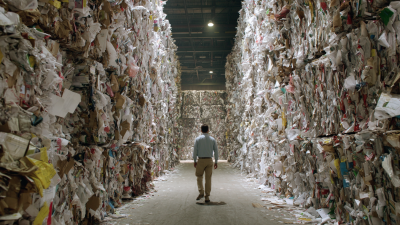
Global paper production reached 423 million tonnes in 2022, according to the FAO. That figure is difficult to picture. It represents forests, water, energy, transport, and millions of daily purchasing decisions.
Paper appears in cartons, notebooks, invoices, tissue products, and shipping materials. Each item begins with fiber, but its environmental impact depends on the entire supply chain. Responsible sourcing can protect forest ecosystems, reduce pressure on valuable habitats, and encourage better mill management. It can also support recycled fiber markets and more efficient water and energy use.
The details matter. Procurement teams should examine fiber origins, recycled content, chain-of-custody records, and mill-level environmental data. They should also consider transport distances and supplier transparency. A certification can provide useful evidence, but it should not replace careful questions. Records may be incomplete. Calculations may use different boundaries.
That deserves attention.
A high recycled-content percentage is not automatically the best option in every region. Recycling systems, collection rates, and energy sources vary widely. Poorly planned sourcing may shift impacts elsewhere instead of reducing them. Small buyers may struggle to obtain reliable data, especially from complex supply chains. Still, asking for clearer evidence improves purchasing decisions. At this scale, even a modest specification change can influence thousands of tonnes of fiber. The number remains huge, and the responsibility is shared.
Forest Stewardship: FSC and PEFC Cover Over 450 Million Certified Hectares
Sustainable pulp and paper sourcing begins in the forest, long before wood becomes a notebook or shipping box. Certified forest stewardship now covers more than 450 million hectares worldwide. This scale matters. It shows that responsible forest management can operate across different climates, communities, and supply chains.
Independent certification systems assess forest plans, worker protections, biodiversity, and harvesting practices. Auditors may review maps, visit remote plots, and examine whether protected areas remain intact. They also check how companies track timber from forests to mills. That paper trail is practical. A procurement team can compare certificates, delivery records, and supplier claims before approving materials.
Certification is useful, but it is not perfect. A certificate cannot capture every seasonal change or local concern. Some small forest owners may struggle with audit costs. That deserves attention. Responsible buyers should ask about certification scope, recent audit findings, recycled content, and the origin of pulp. They should also avoid treating a logo as automatic proof of excellent performance.
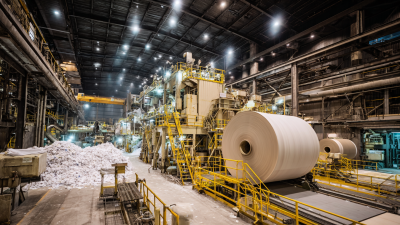
On a factory floor, sustainable sourcing can affect daily decisions. Staff may separate certified stock, record batch numbers, and investigate unclear documentation. These steps take time. They reduce the risk of mixing verified material with unknown sources. Forest stewardship also protects soil, waterways, wildlife habitat, and future timber supply. It connects a printed page to the living landscape behind it.
Recycled Fiber: Europe Recovered 79.3% of Paper in 2023 (CEPI)
Why Is Sustainable Pulp and Paper Sourcing Important?
Europe recovered 79.3% of its paper in 2023, according to European paper industry data. That figure shows strong progress in collection and recovery systems. It also shows why recycled fiber matters in sustainable sourcing decisions. Every recovered box, office sheet, and newspaper can reduce pressure on forests and lower the demand for virgin pulp. In a procurement review, recycled content can also support clearer material tracking and waste reduction targets.
However, recovery is not the same as perfect recycling. Some paper arrives wet, contaminated, or mixed with unsuitable materials. Fiber also becomes shorter after repeated processing. It cannot be recycled forever.
Small details affect the result. A warehouse may separate clean cardboard from food-stained packaging. A paper mill may test moisture, fiber strength, and unwanted materials before production. These steps protect product quality and improve the value of recovered fiber. They also require energy, transport, skilled workers, and reliable records.
Sustainable sourcing should therefore combine recycled fiber with responsibly managed virgin pulp when necessary. Recycled material is valuable, but it is not an unlimited resource. A supplier’s recovery rate may look impressive while local collection remains uneven. Buyers should examine actual fiber content, chain-of-custody evidence, and processing conditions. The 79.3% recovery rate is encouraging, yet it deserves careful interpretation rather than easy praise.
Why Is Sustainable Pulp and Paper Sourcing Important? - Recycled Fiber: Europe Recovered 79.3% of Paper in 2023 (CEPI)
| Data Dimension |
2023 Result |
Unit or Definition |
Why It Matters for Sustainable Sourcing |
| European paper recycling rate |
79.3% |
Share of paper and board consumption represented by paper collected for recycling |
Shows the importance of recycled fiber as a major feedstock for responsible pulp and paper procurement. |
| Geographic scope |
Europe |
Regional industry-level indicator |
Provides a broad benchmark for evaluating regional circularity and recycled-fiber availability. |
| Reporting year |
2023 |
Calendar-year performance |
Helps buyers use a clearly defined and recent reference point when assessing sourcing policies. |
| Primary recovered material |
Paper and board |
Post-use paper-based material collected for recycling |
Supports fiber circularity by returning suitable paper materials to the production cycle instead of sending them to disposal. |
| Sourcing relevance |
High |
Recycled fiber is a key sustainability consideration |
Responsible sourcing should consider recycled content, collection systems, material quality, traceability, and responsible use of virgin fiber. |
Source: European paper recycling statistics reported by CEPI for 2023. The 79.3% figure is a recycling-rate indicator, not a percentage of all paper produced.
Supply-Chain Traceability: EUDR Requires Deforestation-Free Evidence
Why Is Sustainable Pulp and Paper Sourcing Important?
Supply-Chain Traceability: EUDR Requires Deforestation-Free Evidence
Sustainable pulp sourcing now depends on evidence, not broad supplier statements. The European Union Deforestation Regulation requires relevant wood-based products to be deforestation-free and legally produced. Companies must submit due diligence information, including harvest locations and supply-chain risk assessments.
The evidence needs to connect a shipment to a real forest plot. A purchase order alone is not enough. Teams may need geolocation data, harvest permits, supplier declarations, satellite checks, and transport records. The European Commission identifies traceability as a core due diligence requirement. In practice, one missing coordinate can delay an entire shipment.
The scale of the issue is substantial. The FAO Global Forest Resources Assessment 2020 reported approximately 420 million hectares of forest loss between 1990 and 2020. The report also noted that deforestation has slowed, but forest pressure continues in many regions. The World Resources Institute reported 3.7 million hectares of tropical primary forest loss in 2023.
Paper manufacturers should test records before regulators request them. A mill invoice may show volume, yet hide mixed origins. A digital database can also contain outdated maps. It is not perfect. Human review still matters, especially when supplier documents conflict with satellite observations. Better sourcing means retaining clear records, checking risk repeatedly, and asking uncomfortable questions about every fibre source.
Responsible Sourcing: Linking Fiber Choices to Climate and Biodiversity Goals
Responsible pulp and paper sourcing connects fiber decisions with climate and biodiversity goals. The stakes are measurable. FAO’s Global Forest Resources Assessment 2020 reports that forests cover about 31% of global land. It also records 420 million hectares of forest loss between 1990 and 2020. Deforestation has slowed, but pressure remains uneven across regions.
Fiber origin affects emissions, soil health, and habitat quality. The IPCC’s Sixth Assessment Report estimates that agriculture, forestry, and other land use produced 13–21% of global greenhouse gas emissions from 2010 to 2019. Responsible sourcing therefore requires more than choosing “virgin” or “recycled” fiber. It should consider forest conversion risk, harvesting practices, transport distance, energy use, and the recovery system available after use. Recycled fiber can reduce pressure on forests, yet collection rates and fiber quality limit repeated recycling. The details matter.
Biodiversity needs equal attention. IPBES reported in 2019 that about one million species face extinction, many within decades. Buyers can respond by mapping suppliers, checking protected areas, and requiring credible chain-of-custody evidence. Satellite monitoring can reveal recent forest loss near sourcing regions. Local consultation can expose risks that databases miss. No policy is perfect. A recycled-content target may look impressive while overlooking habitat loss in the remaining virgin-fiber supply. Better decisions combine verified data, field experience, supplier transparency, and regular review. Even then, some assumptions will need correction.