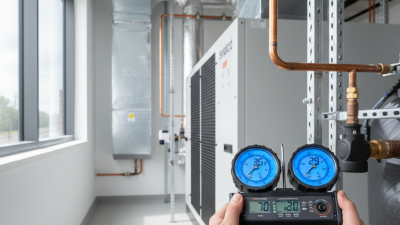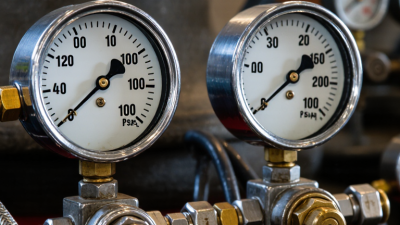
Choosing the best oil pressure gauges in 2026 is about more than finding a bright dial or a low price. A gauge should give a stable, readable indication of pressure under the conditions your engine actually sees. Cold starts, hot idle, and sustained highway driving can produce very different readings. The right choice depends on the vehicle, installation space, sensor type, and whether you prefer an analog display or digital readout.
Engine builder and author David Vizard is known for practical guidance on engine performance. A careful paraphrase of that approach is: “A pressure reading matters only when you understand the conditions behind it.” That is a useful lens for comparing oil pressure gauges, not a verified direct quotation. A number on the dial cannot diagnose an engine by itself. Oil temperature, engine speed, oil viscosity, and sensor placement all matter.
This guide will compare accuracy, response, durability, readability, and installation demands. It will also distinguish mechanical gauges from electric models, including the trade-offs that product listings often gloss over. A compact gauge may fit neatly beside a steering column, yet its markings can be hard to read at a glance. Some installations also need careful wiring or suitable pressure-rated fittings. Details matter.
No single model suits every build. Even a well-reviewed gauge can disappoint if its range does not match the engine or its sensor is poorly installed. The comparisons ahead aim to make those limits clear, so readers can choose with realistic expectations rather than chasing a perfect dial.
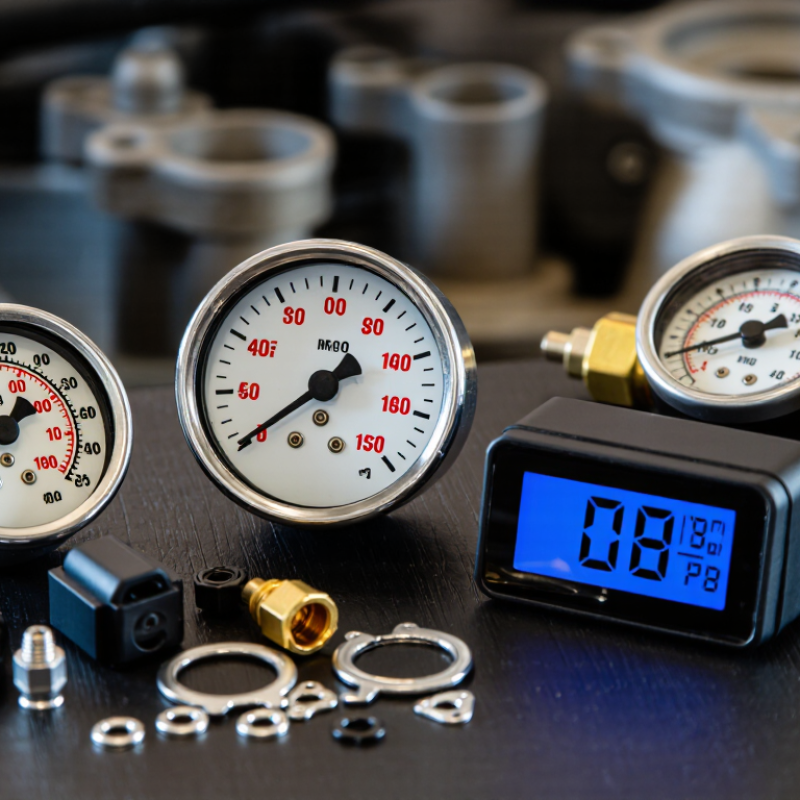
A useful starting point is the rule of thumb: about 10 psi of oil pressure per 1,000 rpm. At 3,000 rpm, that suggests roughly 30 psi. Treat this as a rough reference, not a pass-or-fail test. Engine design, oil temperature, bearing clearances, and manufacturer specifications all affect normal readings. A gauge helps you see trends, but one number cannot diagnose an engine.
Check pressure with the oil fully warm, and compare readings at idle and steady engine speed. Cold oil can show noticeably higher pressure. That difference is easy to misread.
Tips: Choose a gauge range that covers your engine’s expected readings without crowding the scale. Confirm that the sender and fittings suit the installation. Secure connections carefully, then check for leaks after starting the engine. Small details matter.
If pressure falls well below the expected range, rises unusually, or fluctuates suddenly, stop and investigate rather than relying on the rule alone. Verify the reading with a suitable test gauge if the result seems doubtful. I would not call any single threshold universal; even a healthy engine may behave differently under varying conditions. Record warm readings over time. A slow change can be more informative than one glance at the dashboard.
The useful range depends on the engine’s specified pressure, not the largest number on the dial. ASME B40.100 guidance places normal gauge readings around 25% to 75% of full scale. That makes scale choice practical: a typical 50 psi reading sits midway on a 0–100 psi gauge, but at one-third of the scale on a 0–150 psi gauge. Easier to read.
A 0–100 psi range often gives finer visual resolution when normal readings stay comfortably below 100 psi. Small needle changes are easier to distinguish, especially in a vibrating cabin or under dim dashboard lighting. A 0–150 psi gauge offers more headroom for engines whose manufacturer specifies higher pressure, or where brief peaks are expected. More range is not automatically better; the same pressure occupies less of the dial.
Check the engine service data before choosing. Oil pressure varies with temperature, engine speed, oil viscosity, and wear, so a cold-start reading should not be treated like a fully warmed reading. If normal pressure approaches the gauge’s upper limit, the 0–100 scale may leave little room to observe peaks. Yet choosing 0–150 without a real need can make ordinary fluctuations harder to interpret. The fit is not always obvious.
A useful oil pressure gauge is not simply the one with the largest dial. ASME B40.100 offers guidance for evaluating pressure instruments, including accuracy, construction, and performance. Check the gauge’s stated accuracy class and how accuracy is expressed. A percentage of span means the possible error relates to the instrument’s full scale, not just the reading on the needle.
That distinction matters. A 0–100 psi gauge may show a small error in percentage terms, yet that error can be significant when readings are near 20 psi. Choose a range that keeps normal operating pressure away from both ends of the dial. Verify that the gauge suits the oil temperature, expected vibration, and connection type. Pulsating pressure can make a needle jump and readings harder to interpret. A damped movement may help, but it can also respond more slowly.
ASME guidance is a useful comparison point, not proof that a particular gauge is suitable for every engine. Look for clear documentation of accuracy and operating limits. For a critical reading, compare the installed gauge against a suitable reference instrument under stable conditions. I have seen simple installation details complicate readings: a loose fitting, trapped air, or a poorly routed line. Not every odd reading means the gauge is faulty. Calibration intervals also depend on use, environment, and the cost of an incorrect reading. My own judgment here is imperfect; the engine’s service manual should help set the practical limits.
Compare Mechanical and Electrical Gauges by Installation and Response
The best choice depends on how you install the gauge and interpret its readings. A mechanical gauge routes pressurized oil through a narrow tube to the dashboard. It gives a direct reading, but the tube needs careful routing and secure fittings. A leak inside the cabin is a serious drawback. An electrical gauge keeps oil at the engine, sending a signal through wires to the display. Installation is often tidier, though the sender, wiring, and grounding can all introduce faults. Check the engine manufacturer’s specified pressure range before judging either gauge.
Response is not simply mechanical versus electrical. Tube length, sender quality, display damping, and engine vibration all affect how quickly the needle moves. Mechanical gauges may show rapid fluctuations; electrical gauges may smooth them, sometimes hiding brief changes. That trade-off matters.
Grand View Research estimated the global automotive sensors market at USD 25.5 billion in 2023, reflecting wider growth in electronic sensing, not a direct comparison of oil gauges. Treat that figure as market context, not proof that electrical gauges are more accurate.
For a road car, prioritize safe routing and a stable, readable display. For hands-on testing, confirm readings with a calibrated reference gauge. I would not trust a needle alone.
What Are the Best Oil Pressure Gauges in 2026?
A useful 2026 ranking weighs accuracy, readability, fitment, and durability—not price alone. For accuracy, check the stated tolerance and whether readings stay steady across the gauge’s range. A dramatic needle swing may look informative, but it can make normal fluctuations hard to interpret. Readability matters on the road: clear numerals, sensible graduations, and even nighttime lighting help you spot changes quickly. Small details count.
Fitment comes next. Confirm the sender type, thread size, wiring needs, and available dash space before choosing a model. A gauge that requires awkward adapters can complicate installation. For durability, look for a secure bezel, vibration-resistant connections, and materials suited to heat near the engine. No single design wins every vehicle. I would also treat marketing claims cautiously; published specifications are useful, but real-world installation can expose weaknesses.
Tips: Compare the gauge’s range with your vehicle’s normal operating pressure. Check the manual before connecting a sender, and inspect fittings for leaks after installation. A clean, easy-to-read dial beats extra features you rarely use. I’d still recheck the readings after a few drives.
This comparison ranks gauge configurations, not named products. Ratings are category-level assessments, not laboratory test results. Actual accuracy, thread compatibility, and environmental ratings vary by specific gauge and sender; check the manufacturer’s specifications before purchase.
| Rank | Gauge configuration | Accuracy considerations | Readability | Fitment | Durability | Best suited for |
|---|---|---|---|---|---|---|
| 1 | Electronic digital, 0–100 psi Remote pressure sender |
Strong choice when the gauge and sender are a matched set and the stated accuracy is published. Check whether the specification is expressed as a percentage of full scale. | Clear numeric reading; backlighting is common. Some displays update in steps rather than moving continuously. | Requires wiring and a compatible sender. Common sender-port formats include 1/8-27 NPT, but adapters and vehicle-specific threads may be needed. | No oil line needs to enter the cabin. Sender and wiring still require protection from heat, vibration, and moisture. | Street vehicles and installations where an easy-to-read display and cabin isolation are priorities. |
| 2 | Electric analog, 0–100 psi Matched gauge and sender |
Can provide dependable readings when the sender, gauge, wiring, and ground are compatible. Accuracy cannot be assumed from the dial alone; consult the published tolerance. | A moving needle makes pressure trends easy to follow at a glance. Scale markings and dial size affect precision of reading. | Needs power, a sender, and a suitable engine port. Sender thread and electrical resistance or signal must match the gauge. | Keeps engine oil out of the cabin. Electrical connections and the sender need secure mounting and environmental protection. | Everyday use when a traditional needle display is preferred. |
| 3 | Mechanical analog, 0–100 psi Pressure line to gauge |
A direct mechanical design avoids sender-to-gauge electrical matching. Accuracy still depends on the specific gauge’s stated tolerance, installation, and condition. | Continuous needle movement is easy to monitor. Choose a scale that leaves normal operating pressure comfortably within the dial. | Needs a pressure line and correct engine-port fittings. Installation routing is less convenient than an electric setup. | Fewer electrical components, but a line carries oil toward the gauge. Use suitable rated tubing and fittings, route securely, and use a proper firewall pass-through. | Workshop or competition monitoring where a direct mechanical indication is desired and the line can be safely routed. |
| 4 | Electronic digital, 0–150 psi Remote pressure sender |
Use only when the engine’s expected pressure range calls for the wider scale. A wider full-scale range can make small changes occupy less of the display’s range; verify resolution and accuracy specifications. | Large digits are straightforward to read, though the broader range may offer less detail at normal pressures. | Similar wiring and sender requirements to other electronic gauges. Confirm that the sender range matches the gauge range. | No oil line in the cabin; sender, connectors, and wiring remain exposed to engine-bay conditions unless protected. | Applications that genuinely require a higher pressure range, rather than ordinary monitoring. |
| 5 | Compact electric analog, 0–100 psi Small-diameter dial with sender |
Potential accuracy depends on the matched gauge-and-sender specifications, as with larger electric analog designs. Check dial divisions and stated tolerance. | Saves dashboard space, but a smaller dial can be harder to read quickly, especially in low light. | Requires wiring and a compatible sender. Compact housing can help where dashboard or panel space is limited. | No pressure line enters the cabin. Check the specific unit’s vibration, temperature, and moisture ratings before use in demanding conditions. | Tight instrument panels and auxiliary monitoring installations. |
Selection note: For a meaningful comparison, check each specific gauge’s stated accuracy, full-scale range, display or dial size, sender compatibility, thread type, and environmental ratings. Thread standards and sender signals are not universal; do not force a fitting or assume that visually similar senders are interchangeable.
3295 Cobb International Blvd.
Kennesaw, GA 30152
800-367-1377
sale@patiostools.com
© 2023 - Marsh Instruments